




























The Story: From “Silencing Pings” to Algorithmic Empathy
It has been nearly two years since Australia introduced the landmark “Right to Disconnect” laws in August 2024. In those early days, the conversation was simple: giving workers the legal right to ignore work emails and calls after hours without fear of punishment. It was a “wall” built to protect our time at home.

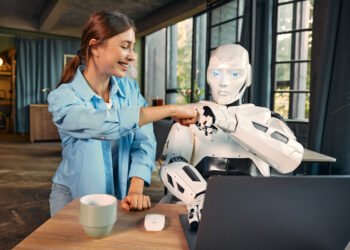
However, as we move through March 2026, that wall has evolved into a bridge. In the busy business hubs of Sydney and Melbourne, the conversation has matured. We are no longer just talking about “switching off” at 5:00 PM; we are exploring the concept of “Algorithmic Empathy.”
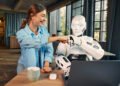
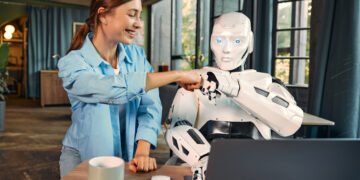
As AI agents have become standard “digital colleagues” in our offices, leading Australian firms are redesigning the traditional 38-hour week. Pilot programs in select Sydney and Melbourne offices suggest that companies are moving away from merely counting hours toward protecting the most valuable resource we have: human focus and dignity.
The Innovation: The Rise of “Cognitive Load Ethics”
The newest trend in Australian workplace technology is Cognitive Load Ethics. This marks a major departure from the invasive “bossware” of the past. Older systems used to track keystrokes or how many times you moved your mouse—tools that many felt were disrespectful and stressful.
In 2026, the focus has shifted toward wellbeing-oriented support. These tools use AI to understand “cognitive load”—which essentially means how much mental effort your current tasks require. By tracking patterns like meeting duration, email volume, and frequent “task-switching,” the system can help teams establish consistent norms around rest and focus.
How it works in the 2026 Office:
- Burnout Detection: Modern AI tools analyze interaction patterns. For example, if the system sees you have been in back-to-back video meetings for four hours while juggling complex spreadsheets, it recognises that your “mental battery” is low.
- The “Deep Work” Shield: Rather than waiting for you to feel overwhelmed, the system acts as a protective shield. It can automatically suggest declining new meeting invites for the afternoon or put your messaging apps into “Focus Mode,” pausing all non-urgent pings so you can finish your task in peace.
- Automated Nature Breaks: Some forward-thinking firms have integrated their office systems with local weather data. If the AI detects your mental load is peaking, it might send a gentle prompt: “Your schedule is clear for 20 minutes—why not take a quick walk while it’s sunny?”
The Connection: Fairness and Inclusion for All Workers
For our multicultural and CALD (Culturally and Linguistically Diverse) communities, these changes are about more than just technology—they are about fairness.
Many migrant workers in Australia have historically felt a “pressure to over-perform”—a feeling that they must work twice as hard or be “always on” to prove their value. The old way of working often ignored the extra load these workers carried, such as navigating language barriers or managing family responsibilities across different time zones.
Why this matters for our communities:
- Normalising Disconnection: AI tools may help normalise expectations around disconnecting. It removes the guilt of being the first person to log off or the only person not answering a weekend text, as the “system” itself validates the need for rest.
- Respecting Cultural Rhythms: These systems can help teams coordinate around diverse needs—whether that is a longer break for Friday prayers or understanding that a worker might be caring for elderly relatives at home.
- Clearer Boundaries: For those who are new to the Australian workforce, these tech-backed boundaries provide a clear “permission” to disconnect, making the workplace more predictable and less stressful.
The Canvas Value: Authenticity over “Corporate Wellness”
At The Australian Canvas, we believe in Authenticity. For too long, “workplace wellness” felt like a corporate buzzword—fruit baskets in the breakroom while workloads remained impossible.
The 2026 Human-Centric Office aims to be different by moving toward a human-first culture.
- Trust, Not Tracking: Authentic employers are using AI to prove they trust their staff. By focusing on how people feel rather than how many emails they sent, businesses are aiming to build deeper loyalty.
- A Culture of Care: When a manager acknowledges a system-suggested focus block, it creates a space for a real, human conversation about workload.
A Note of Caution: However, this shift is not without its critics. Some experts caution that embedding wellbeing into workplace AI may blur the line between genuine care and a new, more subtle form of surveillance. Maintaining privacy and ensuring AI errors don’t lead to unfair performance reviews remains a critical challenge for 2026.
The Future: A Workplace That Invites Connection
As we look toward the rest of 2026, the “Future Loom” shows us that technology doesn’t have to be cold. When used with a clear ethical compass, AI can help make our workplaces more sustainable.
By respecting the boundary between life and labour, we aren’t just making businesses more efficient; we are supporting the health of our communities. A worker who goes home with mental energy left is a better parent, a more active neighbour, and a more engaged member of the Australian story.
Key Takeaways for 2026
| Old Way (2020-2024) | New Way (2026) |
| Keystroke tracking and invasive surveillance | Cognitive load support and focus protection |
| Guilt-driven “Always-On” culture | Normalised norms around disconnecting |
| “One-size-fits-all” wellness programs | Authentic support for diverse cultural needs |
| Technology as a strict taskmaster | Technology as an empathetic support tool |