


































While Australia’s major supermarkets offer a standardised array of produce, a parallel and increasingly diverse food system is being cultivated just over the back fence. In the suburban reaches of Sydney, Melbourne, and Brisbane, migrant communities have spent decades transforming residential plots into productive urban cultivation spaces. As of March 20, 2026, these “backyard bounties”—ranging from bitter melons to dragon fruit—are recognised not only as cultural touchstones but as contributors to urban food resilience and local biodiversity.

The Story: Seeds of Heritage in Australian Soil
The Australian suburban backyard has long functioned as a site for migrant adaptation and agricultural innovation. Following the post-war migration waves, Greek and Italian families introduced staples such as olives, grapes, and tomatoes to the quarter-acre block. Today, a new generation of “backyard farmers” from across South-East Asia, the Middle East, and Africa is further diversifying this landscape.
- Diversity of Species: Urban agriculture observations suggest that residential gardens often contain a wide variety of edible plant species compared to commercial monocultures. In Brisbane’s humid pockets, Dragon Fruit and Papaya are frequently cultivated, while in Melbourne’s temperate zones, Lebanese Kousa (squash) and Vietnamese Perilla have become common suburban crops.
- Adaptation and Growth: Many of these crops were originally established from seeds shared through community networks, adapting over generations to local microclimates.
- Supply Chain Buffers: During recent global supply chain disruptions, these informal cultivation networks have provided a reliable source of fresh nutrients, bypassing the logistical challenges and “food miles” associated with traditional retail distribution.
The Connection: “Fence-Side Swaps” and Social Cohesion
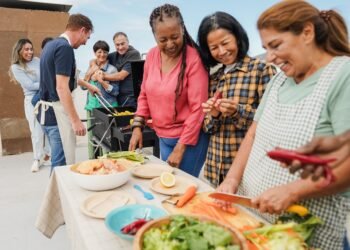
Perhaps more significant than the volume of produce is the social infrastructure these gardens facilitate. The “fence-side swap”—the informal exchange of surplus lemons for a bundle of lemongrass—acts as a practical tool for building neighbourhood bonds.
- Intercultural Contact: In linguistically diverse suburbs, the exchange of garden produce often serves as a primary point of contact between residents who may not otherwise interact.
- Knowledge Exchange: These swaps are frequently accompanied by the informal sharing of preparation techniques, where residents exchange tips on managing soil health or utilising specific harvests, such as using Bitter Melon in stir-fries.
- Rising Participation: Informal networks, including local harvest-swap groups and community “sharing carts,” have seen increased participation in recent years as cost-of-living pressures encourage Australians to seek hyper-local food sources.
“A garden is rarely just about the individual,” says Amina Hassan, a community plot coordinator in Lakemba. “When I share a harvest with a neighbour, it acts as an invitation to connect. It turns a street of houses into a functioning community network.”
The Challenge: Biosecurity and Responsible Sharing
As these informal networks grow, they operate alongside an increasing awareness of biosecurity risks. Australia’s strict regulations regarding pests, soil transfer, and plant diseases mean that “fence-side swaps” require a level of responsibility to protect the broader agricultural industry.
- Safe Practices: Community groups are increasingly promoting “clean” sharing practices—such as exchanging washed produce rather than potted plants or soil—to mitigate the risk of spreading fruit flies or soil-borne pathogens.
- Guidance: Organisations such as Plant Health Australia provide frameworks for urban gardeners to ensure their backyard productivity does not inadvertently compromise national biosecurity standards.
The Dish: The “Multicultural Backyard” Seasonal Salad
This garden-to-table salad reflects the ingredients frequently found in high-rotation in Australian suburban plots during the autumn months.
The Components:
- The Base: A combination of Lebanese cucumber, Vietnamese mint, and peppery greens like Rocket or Mizuna.
- The Texture: Thinly sliced Bitter Melon (pre-salted and rinsed to mellow the flavour) or green Papaya strips.
- The Dressing: A simple mix of backyard citrus (Lemon or Lime), a small amount of soy or fish sauce, and toasted sesame seeds.
- The Garnish: Edible flowers such as Nasturtiums, which are often utilised as natural companion plants in migrant gardens to deter pests.
Conclusion: Harvesting a Shared Future
The “New Harvest” demonstrates that resilient food systems are often those rooted in community and diversity. By engaging with our neighbours and sharing the results of our urban cultivation, we do more than supplement our diets; we strengthen the social fabric of our suburbs. In 2026, the Australian backyard continues to evolve into a vital, living archive of our multicultural journey.
Sources & Attribution
- University of Western Sydney (UWS): Urban Agriculture and Migrant Foodways: A Study of Residential Productivity (2025).
- Sustain: The Australian Food Network: Metropolitan Food Audits and Community Gardening Trends.
- Plant Health Australia: National Biosecurity Guidelines for Backyard Gardeners and Produce Exchange.
- Australian Bureau of Statistics (ABS): Household Trends in Self-Sourced Food and Gardening Expenditure.