
































What this means for you (quick read)
More Australian employers are using monitoring software to track activity and score performance. Some monitoring can be legitimate (security, safety), but AI scoring can misread real work and increase stress. Laws are patchy across states, and workers often don’t get clear transparency.

Monitoring at work isn’t new — AI scoring is
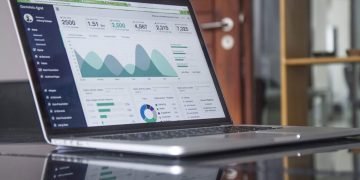
Many workers have long accepted certain monitoring: CCTV in retail, GPS for deliveries, recorded calls in contact centres, swipe cards for secure sites. The newer shift is “bossware”: software that tracks computer activity and generates dashboards, rankings, and sometimes “productivity scores”.
When AI enters the loop, monitoring doesn’t just record what happened. It can interpret it—sometimes confidently, sometimes wrongly.
For multicultural workers, including many South Asian Australians in frontline, logistics, tech, care work and customer service roles, this can raise fairness concerns:
- accent and language variation can affect automated transcription
- cultural communication styles can be misread by “sentiment” tools
- insecure work conditions can make it harder to question surveillance
What employers can track (common examples)
Depending on industry and tools used, monitoring can include:
- login/logoff times, idle time
- app and website usage
- email/chat metadata
- screenshots or screen recording (in some setups)
- call recording, transcription, “tone” or sentiment scoring
- keystroke/mouse activity metrics
- GPS tracking for field-based workers
- security monitoring (downloads, unusual access, data loss prevention)
Not all of this is automatically unlawful. But the ethical line is whether it’s proportionate, transparent, and used fairly—and whether it undermines wellbeing.
The human cost: when work becomes a scoreboard
What gets measured becomes “the job”. If the system rewards speed and punishes context, workers adapt:
- shorter calls instead of better resolution
- less empathy because empathy takes time
- rigid scripts to avoid quality flags
- avoiding breaks because “idle time” looks bad
In real workplaces, good performance is often not machine-readable. A worker who calmly helps an elderly customer in limited English may look “slow” in a dashboard—but they may be delivering the outcome the organisation claims to value.
Why AI scoring can be unfair (and feel impossible to challenge)
AI tools can introduce or amplify bias through:
- transcription errors (accents, background noise, multilingual phrases)
- proxy measures (typing speed as “productivity”, even in roles where thinking/reading is the work)
- context blindness (complex cases punished because they take longer)
- automation bias (managers trusting the dashboard over worker explanations)
This is where communities often feel an added power imbalance. If a worker is casual, new to Australia, on probation, or in a workplace with language barriers, they may fear that questioning a system is “making trouble”.
The legal landscape: what laws may apply?
Workplace monitoring laws in Australia are not one simple national rulebook. Key pillars include:
- Fair Work Act 2009 (Cth) (workplace rights and protections; adverse action risks can arise if monitoring is used unfairly)
- Work health and safety laws (state/territory) including psychosocial risk obligations (monitoring can contribute to stress and harm if mismanaged)
Safe Work Australia guidance: - Privacy Act 1988 (Cth) can apply in some contexts, but many people are surprised by the employee records exemption for private-sector employers (meaning privacy protections may be limited for some employee data handling)
OAIC explainer: - State/territory workplace surveillance laws (not uniform):
NSW Workplace Surveillance Act 2005:
ACT Workplace Privacy Act 2011:
Because the rules vary, transparency and consultation become even more important.
What “good” monitoring looks like (a community fairness checklist)
If an employer uses monitoring tools, workers should reasonably expect:
- Clear notice: what is tracked, when, and for what purpose
- Proportionality: collect what’s needed—not everything that’s possible
- Separation of security and performance: cybersecurity monitoring should not quietly become micromanagement
- Human review before consequences: no automatic punishment based solely on algorithmic scoring
- Right to correct errors: workers should be able to challenge inaccurate data (especially in AI transcription)
- Wellbeing lens: monitoring policies should be assessed for psychosocial harm
- Cultural and language awareness: AI tools should be tested for accuracy across accents and communication styles
Takeaways
- Workplace surveillance rules vary by state; transparency is not optional in a fair workplace.
- AI scores can misread real work—especially in customer-facing and multilingual environments.
- Monitoring can increase stress and psychosocial risk if it becomes constant micromanagement.
- Workers need clear appeal pathways and human review.
FAQs
Is workplace monitoring legal in Australia?
Sometimes, depending on the purpose, the method, and your state/territory. Notice and proportionality are key issues, and rules differ across jurisdictions.
Can an employer track my computer activity at home?
Some employers can monitor work devices/accounts, but the legality and fairness depend on policy, notice, and state laws. Seek advice if you’re concerned.
Disclaimer: This article is general information, not legal advice. Workplace surveillance rules vary by state and by workplace.