































Employers adopt smarter tracking tools, while workers seek clear rules, transparency and limits.
Australian employers are expanding the use of AI workplace monitoring tools that track activity, analyse communications and generate performance insights. The technology is moving quickly from specialist call-centre systems into mainstream platforms used across offices, warehouses, retail floors and remote work setups.

As adoption grows, a broader debate is taking shape in Australia: how workplaces can use workplace surveillance and automation to improve service and security without eroding privacy, fairness and trust—especially in culturally diverse teams where language, accent and communication style vary widely.
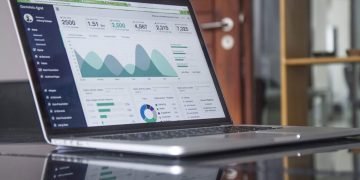
AI monitoring can take many forms. Some tools measure logins, application use and time spent on tasks. Others transcribe calls, scan messages, or assess customer interactions for “quality” and “sentiment”. Some systems flag unusual behaviour to prevent data theft or detect insider risk. The most advanced products combine these signals into dashboards that rank or compare employees.
Employers often frame these systems as efficiency and safety tools. They argue that better data helps supervisors coach staff, maintain service standards and protect systems from cyber threats. They also say monitoring helps manage hybrid teams where managers cannot observe work directly.
Workers and unions raise a different set of concerns. They question how much data employers should collect, how long it should be stored, and whether automated scoring can lead to unfair decisions about shifts, performance plans or promotions. They also worry about “mission creep”, where a tool introduced for security or rostering quietly becomes a performance surveillance system.
AI changes the monitoring conversation because it does more than record events. It can infer patterns, predict “risk”, and produce recommendations at scale. That can make a workplace feel more controlled, even when no single manager watches an individual employee.
How AI monitoring shows up at work
In many workplaces, monitoring starts with software that staff already use every day. A customer service platform may record calls and generate summaries. A collaboration tool may log messages and meetings. A scheduling app may track location check-ins. HR systems may store performance notes and training records.
AI adds automation on top of those records. It can label conversations, highlight “compliance issues”, or rate tone and responsiveness. It can also prompt managers with alerts, such as “agent interrupting customers” or “employee idle time above threshold”.
Some employers use monitoring to protect data. Security teams may deploy systems that detect unusual file downloads, suspicious logins or unexpected access to sensitive folders. That type of monitoring can support legitimate risk management, particularly in sectors handling health, financial or government data.
The controversy tends to grow when employers use the same or similar tools for performance management. Workers may accept security monitoring if it focuses on system safety and uses strict access controls. They are less likely to accept it if it measures micro-behaviours and turns day-to-day work into a scorecard.
Why multicultural workplaces face specific risks
Australia’s workforce is multilingual and multicultural, and many high-volume service sectors rely on migrant and diaspora communities. AI monitoring systems can struggle in these environments, especially when they use automated transcription and sentiment analysis.
Accents, dialects and code-switching can reduce transcription accuracy. A system that mishears a word or mislabels a phrase can produce misleading outputs, which then feed into coaching notes or performance dashboards. If a workplace treats those outputs as objective evidence, small errors can have serious consequences.
Sentiment tools add another layer of risk. Cultural norms shape how people express politeness, disagreement and urgency. Direct communication can read as “abrupt” in a transcript. Indirect communication can read as “unclear”. Humor and idioms can confuse automated models. Even the pace of speech and turn-taking can vary between cultures, which can affect “interruption” metrics.
These issues matter because many monitoring products market themselves as neutral and data-driven. In reality, any system that labels behaviour depends on design choices, training data and thresholds. If workplaces do not test tools across diverse voices and job contexts, they can unintentionally penalise certain groups.
This also connects to fairness for workers who serve vulnerable customers. Staff who spend longer supporting elderly clients, new arrivals, or people with limited English may look “less efficient” on time-based metrics. A dashboard may reward speed over care, even when care improves outcomes and reduces complaints.
Privacy, consent and transparency in Australia
Australia’s privacy framework creates a complicated environment for workplace monitoring. The Privacy Act 1988 (Cth) regulates personal information handling for many organisations. However, the Act includes an employee records exemption for private-sector employers in certain circumstances, which can limit how privacy protections apply to employee data held in employment records.
This exemption often surprises workers who assume the same privacy protections apply at work as they do in consumer settings. It also creates uneven expectations across sectors, because government agencies and some other bodies operate under different rules and oversight.
Separate to privacy law, surveillance regulation varies by state and territory. New South Wales and the ACT have specific workplace surveillance laws that set requirements around notice and workplace monitoring practices. Other jurisdictions rely on surveillance devices laws and related rules. For national employers, that patchwork can complicate compliance and consistency.
Even when monitoring is legal, ethics and good governance still matter. A workplace can meet a minimum legal threshold and still damage trust if it collects more data than necessary, does not explain how it uses it, or relies too heavily on automated assessments.
Biometrics and high-risk monitoring
Some monitoring practices carry higher stakes. Biometric systems, including facial recognition or fingerprint scanning, can create risks because biometric identifiers are difficult to change if compromised. Workers may also feel they cannot meaningfully refuse biometric collection without risking their job.
Similarly, always-on webcam monitoring, audio monitoring beyond necessary customer service recording, or detailed location tracking can raise serious concerns about proportionality. In many workplaces, these tools blur the boundary between professional oversight and personal intrusion, particularly for remote workers operating from home.
When employers consider high-risk monitoring, they need clear justification, strong security protections, strict retention limits and transparent policies. They also need to consider alternatives that achieve the same operational goal with less intrusion.
The role of AI in decision-making at work
A central concern is what happens after monitoring produces a score or flag. If an AI system identifies a “risk” pattern, a manager may still need to interpret the output. But time-poor workplaces can fall into a pattern where dashboards quietly become decision engines.
That can affect rosters, bonuses, coaching plans, disciplinary processes and promotion pathways. It can also affect workplace culture if staff believe the system rewards compliance over judgement, or speed over safety.
Good practice generally requires:
Short, plain-language disclosures about what data is collected and why.
Human review before any adverse action.
Clear appeal pathways and record correction processes.
Regular audits for accuracy and disparate impact.
Strong limits on who can access monitoring data.
A separation between cyber security monitoring and performance monitoring, with different access rules and safeguards.
These steps do not eliminate tension, but they can reduce harm and improve accountability.
Psychosocial health and the “always measured” workplace
Workplace monitoring also intersects with Australia’s growing focus on psychosocial hazards. Constant measurement can increase stress, reduce autonomy and create a sense of being watched, particularly in frontline roles with high customer demand.
In environments like call centres, warehouses and gig work, monitoring can amplify pressure by setting rigid targets and penalising natural variation in work pace. For workers balancing caring responsibilities or managing health conditions, inflexible metrics can create additional strain unless employers build in realistic adjustments.
Employers have obligations to provide safe systems of work. As monitoring becomes more sophisticated, workplaces may need to treat the design of metrics and the use of automated scoring as a work health and safety issue, not only a productivity choice.
What a balanced approach can look like
Australia does not face a simple choice between “monitor everything” and “monitor nothing”. Many workplaces need logs and audits to keep data secure, prevent fraud, and ensure critical services run safely. The challenge is to define what monitoring is necessary, what is excessive, and what governance makes it fair.
A more balanced model typically includes:
Purpose limits: collect only what supports a defined goal, such as cyber security or safety.
Minimum necessary data: avoid capturing sensitive content when metadata or aggregated reporting would do.
Transparency: explain monitoring in accessible language, including for workers with varied English proficiency.
Worker consultation: involve staff early and respond to concerns before deployment.
Cultural and language testing: test transcription and scoring tools across accents and communication styles.
Independent oversight: use internal audit, risk committees or external reviews for high-impact tools.
Training for managers: ensure supervisors understand the limits of AI outputs and do not treat them as objective truth.
These steps can also help employers. A workplace that uses monitoring responsibly reduces the risk of reputational damage, staff turnover and disputes about fairness.
Context and impact
AI workplace monitoring will likely expand as organisations adopt more AI-driven platforms and as customer service and compliance demands grow. For Australia’s multicultural workforce, the impact will depend on whether employers design systems that recognise diversity in language and communication, and whether lawmakers and regulators keep pace with technologies that can quietly reshape power at work. The stakes are not only productivity, but also trust, dignity and equal opportunity in the workplaces that keep Australia running.
Sources
https://www.oaic.gov.au/privacy/your-privacy-rights/your-personal-information/employee-records
https://www.legislation.gov.au/C2004A03712/latest/text
https://legislation.nsw.gov.au/view/html/inforce/current/act-2005-047
https://www.safeworkaustralia.gov.au/topic/psychosocial-hazards
https://www.legislation.act.gov.au/a/2011-27
https://www.hrlc.org.au/factsheets/workplace-surveillance-laws-in-australia