
























In early 2026, Australia reached a profound demographic milestone: the issuance of the nation’s one-millionth permanent humanitarian visa since the post-WWII resettlement programs began in 1947. This is more than a statistic; it represents a million unique threads in the Australian tapestry. To mark this, the theme for Refugee Week 2026 has been officially titled “A Million Stories,” sparking a renewed urgency within our cultural institutions to archive the lived experiences of those who built modern Australia.

The challenge is a race against time. Many of the “pioneering” migrants from the 1950s and 60s—the “Nonnas” and “Papous” who transformed our suburbs—are passing away, often taking their unrecorded oral histories with them. This has triggered a shift in museum philosophy: moving from collecting “objects of the past” to preserving “voices of the present.”
The New Museum: From Pedestals to Kitchen Tables
In 2026, the “National Story” is no longer being told exclusively through gold rushes and colonial explorers. Leading institutions are pivoting toward immersive, community-led storytelling.
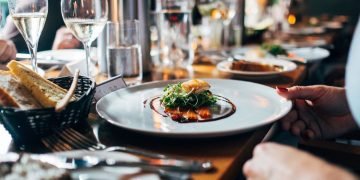
- The Immigration Museum (Melbourne): Its flagship 2026 exhibition, Order Up: A City Fed by Many Cultures, uses the humble restaurant docket as a historical archive. By displaying thousands of handwritten dockets from 33 landmark migrant-run restaurants, the museum maps the city’s culinary evolution as a living record of successive migration waves.
- Powerhouse Parramatta: Opening in late 2026, this “game-changer” for Western Sydney will be the largest museum in NSW. Its inaugural programs include commissions like S. Shakthidharan’s memoir Gather Up Your World in One Long Breath, which explores the intergenerational journey from Colombo to Homebush, placing the Western Sydney migrant experience at the center of global cultural dialogue.
- WA Maritime Museum: The From Nonna With Love initiative (running through Term 1, 2026) explores the specific contributions of Italian female migrants, using family heirlooms and oral histories to provide a “fresh perspective” on the 20th-century migration story.
Cultural Authority: Who Owns the Narrative?
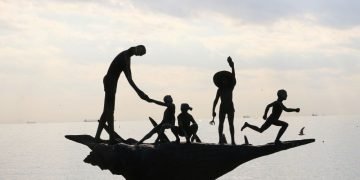
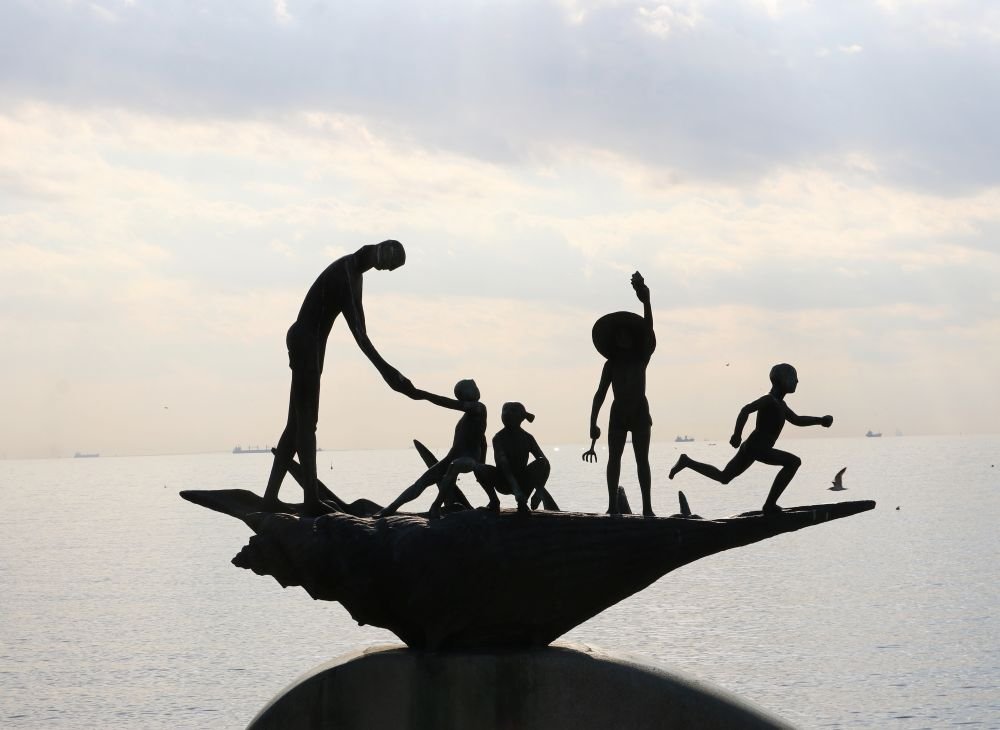
The “Why it Travels” factor of this movement is rooted in a shift in cultural authority. For decades, migrant stories were told about communities; in 2026, they are being told with them. The National Monument to Migration at the Australian National Maritime Museum is a prime example. With over 30,000 names now etched in bronze facing Pyrmont Bay, the monument is a “visible tribute” where families—not curators—decide who deserves to be recognized.
This push for “Community Pride” is also visible in the Museum of Chinese Australian History, which in 2026 continues its One Million Stories project—the first nationwide effort to track the 200-year journey from the first Chinese migrant to the present day. By highlighting overlooked intersections, such as the Aboriginal Chinese People in Australia exhibit, the museum is actively dismantling the “White Australia” discourse that once dominated national archives.
Actionable Heritage: How Families Can Participate
As a matter of public concern, the preservation of these stories is a shared responsibility. Curators from the National Museum of Australia and the History Trust of South Australia suggest three ways families can help before these stories disappear:
- The “Suitcase” Audit: Identify three objects that symbolize your family’s journey. Don’t just keep them; record a 2-minute video explaining why they mattered to your parents or grandparents.
- Digital Registration: Use platforms like the National Monument to Migration to formally register names and stories. These databases are now primary resources for future historians.
- The 2026 “Voices” Challenge: Encourage students to participate in the National History Challenge, which this year focuses on the theme of “Voices,” specifically rewarding research into migrant narratives and primary sources.
Conclusion: A Legacy Beyond the Glass Case
The museums of 2026 are no longer quiet rooms of static displays; they are active sites of cultural exchange. By bringing the “temporary permanent” stories of our families into the national archive, we are ensuring that the Australian canvas is a complete and honest reflection of all who call this land home.
History is not just what happened 200 years ago; it is the conversation we had at the dinner table last night. By collecting these stories now, we are making sure that future generations of Australians will see themselves reflected in the glass, knowing that their story was always part of the plan.
Verified Sources and Links
- Refugee Week Australia: 2026 Theme: A Million Stories – Reflecting on a Milestone. refugeeweek.org.au – 2026 Theme
- Australian National Maritime Museum: Migration Stories and the National Monument to Migration. sea.museum – Migration Heritage
- Museums Victoria: Order Up: A City Fed by Many Cultures at the Immigration Museum. museumsvictoria.com.au – Order Up Exhibition
- Museum of Chinese Australian History: One Million Stories: Chinese Australians 200 Years. chinesemuseum.com.au – Exhibitions
- NSW Government: Powerhouse Parramatta Construction and 2026 Opening Strategy. nsw.gov.au – Powerhouse Milestone
- Western Australian Museum: From Nonna With Love: Immigration Stories 2026. visit.museum.wa.gov.au – Education Program