

































The Price of Convenience: How Australia’s Cashless Pivot is Testing Community Trust
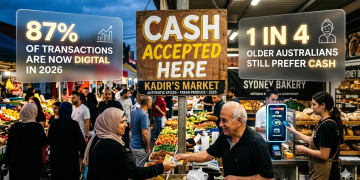
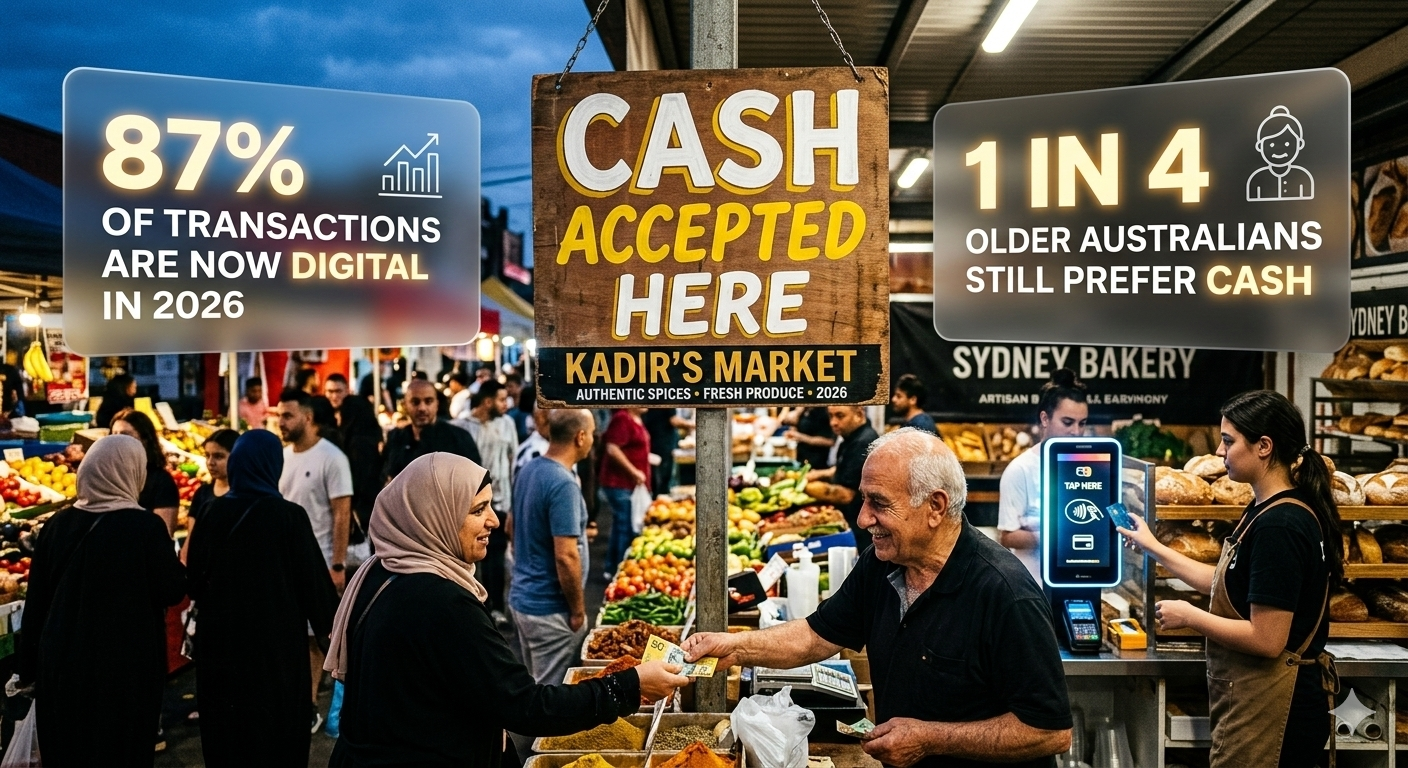
Australia is officially in a “digital banking boom,” but the celebration isn’t universal. By early 2026, mobile wallet transactions have surged to over 500 million per month, and cash now accounts for less than 13% of all retail transactions. While the convenience is undeniable, the “death of cash” is hitting a friction point in multicultural hubs and small business strips where “the way we pay” is about more than just technology—it’s about equity.

For many small business owners, the shift away from cash isn’t just a change in habit; it’s an expensive operational pivot. Between merchant fees, terminal rentals, and the rising cost of cybersecurity, the “cashless” life comes with a bill that someone has to pay.
The $4 Billion Surcharge Standoff
In 2026, the cost of going cashless has become a political and economic lightning rod. Estimates suggest that banks and payment providers are collecting roughly $4 billion annually in transaction fees from Australian consumers and businesses.
For the average small trader—the local kebab shop, the suburban grocer, or the family-run florist—these fees slice directly into already thin margins. The Reserve Bank of Australia (RBA) has taken notice. Following a major review concluded in early 2026, the RBA is moving to cap interchange fees and increase transparency, noting that “surcharging is no longer achieving its intended purpose” of steering consumers to cheaper methods.
In a landmark move, the RBA has proposed removing surcharging on eftpos, Mastercard, and Visa debit cards by mid-2026, a move that could save Australians $1.2 billion a year. Until then, consumers are left navigating a confusing patchwork of “50-cent minimums” and percentage-based fees that make a simple coffee feel like a financial negotiation.
Digital Exclusion: The “Hidden” Gap
While 95% of Australians are daily internet users, the 2025 Australian Digital Inclusion Index (ADII) reveals a deepening divide. Digital exclusion is the “new frontier of inequality,” particularly for:
- Older Australians: Many over-65s still rely on the tactile security of cash to manage tight weekly budgets.
- Low-Income Households: For those living “payday to payday,” cash offers a level of budgeting control that digital “invisible” spending can undermine.
- Multicultural Communities: Residents with limited English or those newly arrived in Australia often face significant barriers to navigating complex digital banking apps and fraud risks.
In many multicultural suburbs, the local “cash economy” has historically been a sign of community resilience. When a local business goes “card only,” they aren’t just changing a terminal; they are potentially locking out a segment of their own neighbors.
The 2026 Cash Mandate: A Regulatory U-Turn
In a surprising twist for a digital-first nation, 2026 has seen the introduction of the Mandatory Cash Acceptance Law. As of January 1, large fuel and grocery retailers (those with turnover exceeding $10 million) are legally required to accept cash for transactions under $500.
While small businesses under the $10 million threshold are exempt, the message from the government is clear: cash is an essential service. The law aims to support those “priced out” of the digital world and provides a vital backup for when “the system goes down”—a reality all too familiar after several high-profile banking outages in 2025.
Who Wins and Who Loses?
The shift to a cashless society creates a clear set of winners and losers:
- The Winners: Large tech platforms, banks, and high-volume digital exporters who benefit from “instant settlements” and the ability to recycle capital faster through the New Payments Platform (NPP).
- The Losers: Micro-businesses with low transaction values, unbanked individuals, and those in regional or multicultural “pockets” where digital infrastructure remains strained.
The “Fair Go” in a Digital Age
The challenge for 2026 is ensuring that Australia’s “Australian Canvas” remains inclusive. If we move to a 100% digital economy without solving the “digital ability” gap, we risk creating a two-tier society.
For small business owners, the goal is “omni-channel” resilience—making it easy for every customer to pay, whether they arrive with an Apple Watch or a $20 note. As the RBA reforms take hold later this year, the hope is that the cost of participating in the modern economy becomes a little fairer for everyone.
Source: