































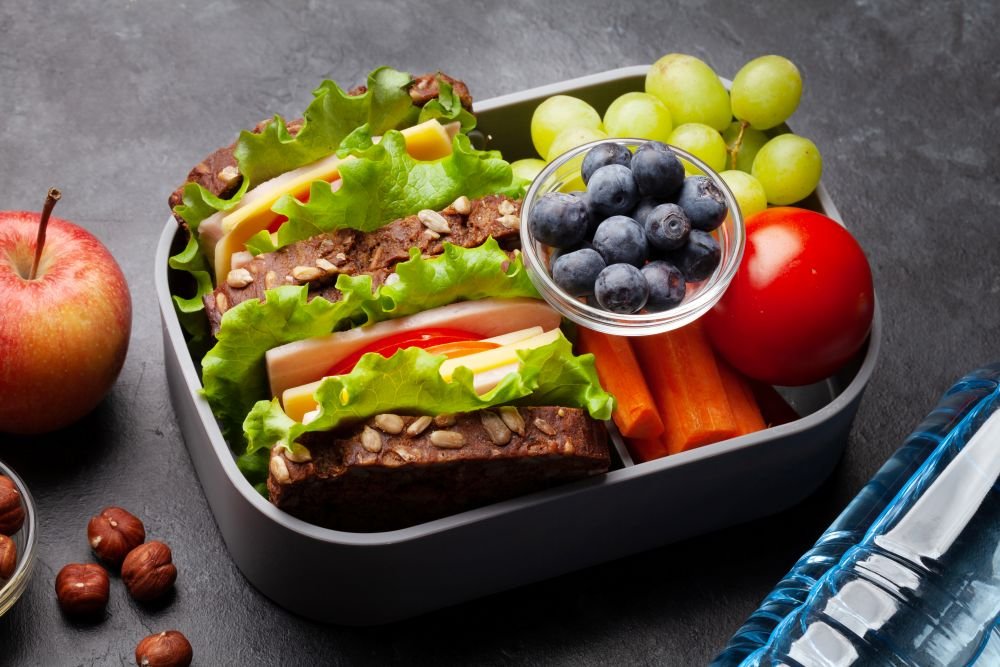
For many Australians from migrant backgrounds, the school lunchbox has historically been a complex site of cultural negotiation. The “lunchbox moment”—the experience of feeling self-conscious about traditional foods like garlic-heavy stews, pungent ferments, or aromatic spices—remains a pervasive memory for generations of students. However, recent indicators from school canteens and educational researchers suggest a shifting dynamic. While experiences remain uneven across the country, there is an increasing trend toward cultural food being viewed as a point of pride and a social bridge rather than a marker of exclusion.

The Story: From “Sandwich Envy” to Diversifying Palates
The traditional Australian school lunch, once dominated by the “meat and three veg” philosophy in sandwich form, is diversifying. While “sandwich envy”—the desire to fit in with Western culinary norms—still exists in some contexts, broader cultural literacy is changing the playground economy.
Canteen Trends and Preferences
While the classic meat pie remains a staple, digital ordering platforms have noted a significant diversification in student preferences over the last two years.
- Diversified Menus: According to the 2025 school canteen spend reports, sushi, gyoza, and mild butter chicken are now among the top ten most-ordered items in metropolitan schools.
- The “K-Effect”: Influenced by global media trends, some school providers in urban centres reported a notable rise in requests for Korean-inspired items, such as mild bibimbap bowls, reflecting a broader youth interest in East Asian cultures.
- Statistical Context: Data from the Australian Bureau of Statistics (ABS) indicates that approximately 28% of Australian students now come from a home where a language other than English is spoken, naturally accelerating the integration of diverse food into daily school life.
The Connection: Food as Cultural Capital
The transition from “stinky” to “sought-after” is often described by educators as the development of “cultural capital.” For students whose lunches were once the subject of curiosity or teasing, their food is increasingly seen as a point of interest.
“We see a lot more curiosity now,” says a Sydney-based primary school counsellor. “In many diverse schools, having a ‘different’ lunch can actually act as a social advantage or a conversation starter. However, it is important to acknowledge that this is not universal. In less diverse or more isolated regions, the pressure to conform to a ‘standard’ Australian lunch remains a reality for many children.”
The Socio-Economic Divide: It is also critical to note that the “gourmet” multicultural lunchbox is sometimes a marker of class. While some families can afford the time and ingredients for elaborate traditional meals, others—including newly arrived refugees or those facing cost-of-living pressures—may still rely on the most affordable, processed options, regardless of their cultural heritage.
The Dish: The “Modern Australian” Hybrid Lunchbox
The 2026 approach to school lunches often blends traditional flavours with the practical requirements of the Australian climate and “waste-free” school policies.
1. The Onigiri (Rice Ball) Pivot
- The Content: Seasoned rice with a hidden filling of tuna or pickled vegetables, wrapped in nori.
- The Benefit: Handheld and sturdy, it fulfills the NHMRC guidelines for complex carbohydrates and lean protein without requiring cutlery.
2. The Mezze Snack Box
- The Content: Wholemeal pita pieces, carrot sticks, and a small container of hummus or labneh.
- The Benefit: High in fibre and interactive, encouraging the “sharing” culture that is central to many Mediterranean and Middle Eastern traditions.
3. The Cold Noodle Salad
- The Content: Vermicelli or soba noodles with shredded chicken and a mild soy-ginger dressing.
- The Benefit: Stays palatable at room temperature (with a cooler bag) and offers a gluten-free alternative to the standard sandwich.
Conclusion: An Evolving Identity
The evolution of the Australian lunchbox mirrors the nation’s broader journey toward a more inclusive identity. While we have moved away from a singular “sandwich-only” narrative, the work of ensuring every child feels comfortable at the shared table continues. By acknowledging the complexity of these traditions—and the occasional friction they still cause—we can better support a generation of students who view their heritage as a fundamental part of their contribution to the Australian story.
Sources & Attribution
- Australian Bureau of Statistics (ABS): Cultural Diversity in Australia, 2025-2026 Snapshot.
- National Health and Medical Research Council (NHMRC): Australian Dietary Guidelines (2026 Review).
- School Canteen Association Data: Trends in Digital Ordering and Diverse Menu Uptake (2024-2025).
- Social Research Centre: Survey on Social Cohesion and Youth Identity in Australian Schools.
- Department of Education: Inclusive Schooling and EAL/D (English as an Additional Language or Dialect) Support Frameworks.