




























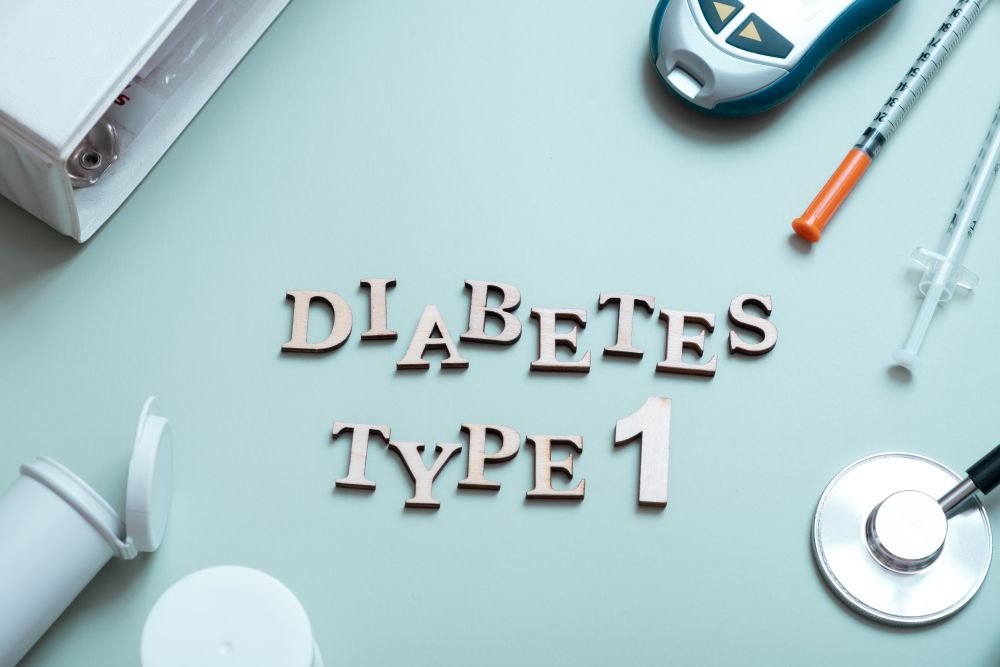
A breakthrough study reveals how a “dual transplant” could allow the body to produce its own insulin again—without the need for lifelong, harsh medications. Stanford Medicine researchers have successfully reversed Type 1 diabetes in mice using a combination of blood stem cells and islet cells. Discover how this “dual transplant” method could eliminate the need for insulin and immunosuppressants in the future.

For the thousands of families across Australia living with Type 1 diabetes, the daily routine is often defined by numbers: blood sugar levels, carbohydrate counts, and units of insulin. It is a constant, 24-hour-a-long effort to manage a body that has turned against itself.
But as of March 2026, a beacon of hope has emerged from the laboratories of Stanford Medicine in California. According to a landmark study recently highlighted by SciTechDaily, scientists have discovered a way to “reset” the immune system and cure Type 1 diabetes in mice. Most importantly, they did it without using the heavy, life-altering drugs that usually follow an organ transplant.
At The Australian Canvas, we believe in the power of innovation to change lives. This story isn’t just about a scientific experiment; it’s about the possibility of a future where children and adults alike can sit at the “Shared Table” of life without the constant shadow of a chronic illness.
The Problem: A Body at War with Itself
To understand why this news is so important, we first need to understand what Type 1 diabetes is in plain English.
In a healthy body, a small organ called the pancreas has special “islet cells.” These cells act like a factory that produces insulin. Insulin is the “key” that opens the doors of our body’s cells to let in sugar (glucose) for energy.
In someone with Type 1 diabetes, the body’s immune system—which is supposed to protect us from germs—gets confused. It begins to attack and destroy these islet cells. Without those “factories,” the body can no longer make insulin. This is why people with Type 1 diabetes must inject insulin every single day just to stay alive.
According to Stanford Medicine researchers, current treatments like islet cell transplants have a major flaw. Because the new cells come from a donor, the recipient’s immune system sees them as “invaders” and tries to destroy them. To stop this, patients must take “immunosuppressants”—strong drugs that weaken the whole immune system. While these drugs save the new cells, they also make the person very vulnerable to other sicknesses and infections.
The Breakthrough: The “Double Gift” Method
The team at Stanford, led by senior researchers including Dr. Wen-Kao Low and Dr. Judith Shizuru, tried something different. Instead of just giving the mice new islet cells, they gave them a “dual transplant”—two gifts from the same donor.
As reported by SciTechDaily, the researchers first transplanted blood stem cells from a donor mouse into a recipient mouse with Type 1 diabetes.
Think of blood stem cells as “seed” cells. They go into the bone marrow and grow into a brand-new immune system. By doing this, the researchers effectively gave the recipient mouse a new “identity card” for its immune system. The mouse’s body now recognized the donor’s cells as “family” rather than “enemies.”
Once the new immune system was established—a state scientists call “chimerism”—they performed the second part of the transplant: pancreatic islet cells from the same donor.
The Result: No Insulin, No Drugs, No Diabetes
The results were nothing short of miraculous. According to the study findings, the mice’s blood sugar levels returned to normal almost immediately. Because the new immune system recognized the new islet cells as “self,” it didn’t attack them.
The researchers achieved three incredible goals:
- Reversed the Diabetes: The mice were able to produce their own insulin again.
- No Insulin Needed: The mice no longer required any injections.
- No Immune Suppression: The mice did not need those harsh, dangerous drugs to prevent rejection.
Perhaps most impressively, the researchers found that this worked even when the donor and the recipient were not a match. In the world of transplants, finding a “match” is usually the hardest part. This breakthrough suggests that in the future, it might be easier to find donors for human patients because a perfect match might not be necessary.
What This Means for Australia’s Diverse Communities
At The Australian Canvas, we look at how global news impacts our local home. In Australia, over 130,000 people live with Type 1 diabetes.
For our First Nations communities, who face higher rates of health challenges, and our CALD (Culturally and Linguistically Diverse) communities, where navigating complex healthcare systems can be difficult, a “one-time” cure would be a game-changer.
Imagine a grandfather in Western Sydney or a young girl in the remote Northern Territory no longer needing to worry about the cost of insulin or the availability of refrigeration for their medicine. This research points toward a more Inclusive and Fair health future, where the “Shared Table” of wellness is accessible to everyone, regardless of where they live or what language they speak.
From Mice to Humans: The Path Ahead
While this news is incredibly Optimistic, it is important to stay grounded in the facts. As any scientist will tell you, a mouse is not a human.
As reported by Stanford Medicine, the next step is to see if this “dual transplant” can be done safely in people. Human immune systems are much more complex than those of mice. The researchers are now looking at ways to make the blood stem cell transplant safer for humans, possibly by using “targeted antibodies” instead of the harsh radiation that is currently used to clear out a patient’s old immune system.
If successful, this could revolutionize not just diabetes treatment, but all organ transplants. Imagine a world where a kidney or heart transplant didn’t require a lifetime of anti-rejection drugs.
Why Authenticity Matters in Science
In an era where we often see “clickbait” headlines promising cures every week, it is vital to look at the Authentic data.
According to the researchers at Stanford, this study was unique because it didn’t just hide the symptoms of diabetes; it addressed the root cause—the confused immune system. By “re-educating” the body to be more inclusive of new cells, they have found a path that respects the body’s natural biology while using technology to fix what was broken.
This aligns with our values of Dignity and Authenticity. We don’t want to offer false hope, but we do want to celebrate the real, hard work of scientists who are moving the needle toward a better world.
The Final Word: A Future of Belonging
Type 1 diabetes can often make people feel isolated. It makes a child feel “different” at a birthday party when they can’t eat the cake, or an adult feel “othered” when they have to step out of a meeting to check their pump.
The promise of this Stanford research is a world of Australian Belonging. A world where no one is defined by their diagnosis. While we wait for human trials to begin, we can take heart in the fact that the brightest minds in the world are working to ensure that one day, the “Australian Canvas” will be free of the burden of this disease.
For now, we continue to support our community, share our stories, and look toward the horizon with hope.
Authentic Sources & Credits (March 2026):
- Stanford Medicine: Stanford Medicine News Center, “Combined transplant reverses Type 1 diabetes in mice without insulin or immunosuppression.”
- SciTechDaily: “Medical Breakthrough: Stanford Scientists Cure Type 1 Diabetes in Mice” (Reported March 2026).
- Nature Communications / Journal of Experimental Medicine: Peer-reviewed data regarding the use of hematopoietic stem cells in autoimmune reversal.
- Diabetes Australia: Statistics on Type 1 diabetes prevalence and the impact of chronic illness on multicultural communities.
- National Institutes of Health (NIH): Guidelines and updates on islet cell transplantation and immune chimerism.