

































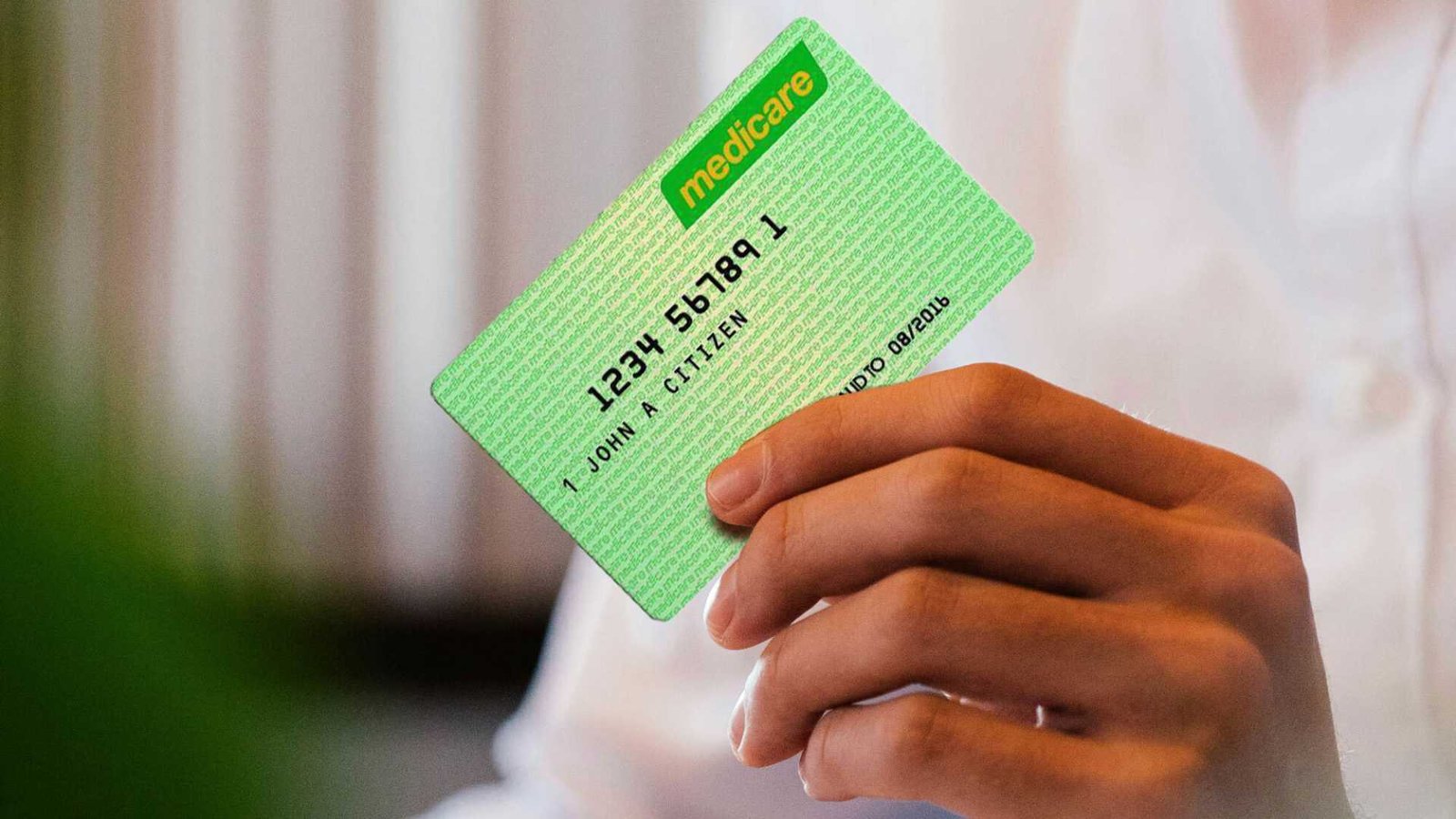
“Your visa shouldn’t be a barrier to safe care in an emergency. Know your rights, your cover, and your next steps before you need them.”

“The smartest health move for new arrivals? Enrol in Medicare if you’re eligible, organise insurance if you’re not, and save the key numbers—000, Healthdirect, and TIS 131 450.”
The essentials: who can access what
- Citizens and permanent residents
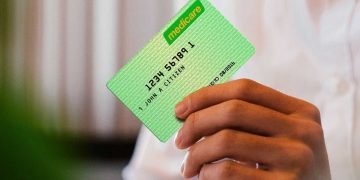
- Eligible to enrol in Medicare for subsidised GP visits, public hospital care, and medicines under the Pharmaceutical Benefits Scheme (PBS).
- You can be treated as a public patient in a public hospital at no charge.
- New Zealand citizens (SCV subclass 444)
- Generally eligible to enrol in Medicare while living in Australia. Check Services Australia for current conditions.
- Visitors from countries with Reciprocal Health Care Agreements (RHCAs)
- Residents of: United Kingdom, Ireland, New Zealand, Sweden, Netherlands, Finland, Norway, Belgium, Slovenia, Malta and Italy.
- Access is typically limited to “medically necessary” treatment in the public system for the period of your lawful stay (time limits apply for some countries). Some RHCA visitors can also access PBS medicines at Australian rates. Always confirm conditions with Services Australia on arrival.
- International students (most student visas)
- Must hold Overseas Student Health Cover (OSHC) for the entire stay. OSHC helps cover GP and hospital treatment and some medicines, but check waiting periods (e.g., pregnancy) and exclusions.
- Other temporary visa holders (e.g., 482, 485, 408, visitor visas)
- Many must maintain adequate health insurance (visa condition 8501). Overseas Visitors Health Cover (OVHC) is the standard option. OVHC is not Medicare; benefits differ by policy—check hospital excesses, ambulance, mental health and maternity wait times.
- Refugees, humanitarian entrants and many asylum seekers
- Humanitarian entrants are typically eligible for Medicare on arrival. Asylum seekers and bridging visa holders often have limited or no Medicare access; however, most states fund primary care clinics, hospital access policies and catch‑up immunisation at no cost. Ask local refugee health services (e.g., STARTTS in NSW, Foundation House in Victoria).
- Ambulance cover (important)
- Medicare does not cover ambulance. In some states, ambulance services charge significant fees. Consider ambulance membership or ensure your OSHC/OVHC/private insurance includes national ambulance cover.
Note: Emergency departments at public hospitals will treat you if you are seriously unwell or injured. If you’re not Medicare‑eligible, you may later be billed; do not delay emergency care.
How the system works: where to go and when
- General practitioner (GP) = Your first stop
- See a GP for new non‑urgent problems, ongoing care, referrals and prescriptions.
- Bulk billing means no out‑of‑pocket cost; availability varies. Ask clinics if they bulk bill children, concession card holders, or certain times of day.
- You can register with MyMedicare to strengthen continuity with your preferred GP/clinic (improves funding for longer and team‑based care).
- After‑hours and urgent, non‑life‑threatening care
- Medicare Urgent Care Clinics operate in major cities and some regional centres—walk‑in, extended hours, free for Medicare card holders for issues like sprains, minor fractures, infections and cuts.
- Many states run nurse‑led helplines or virtual urgent care. Nationally, Healthdirect (1800 022 222) provides 24/7 nurse advice and service navigation.
- Emergencies—call Triple Zero (000)
- Chest pain, severe breathing problems, heavy bleeding, sudden weakness/face droop/speech difficulty, major injuries: call 000 or go to a hospital emergency department.
- Specialists and tests
- Most specialists require a GP referral for Medicare rebates.
- Public hospitals run specialist clinics (waiting times vary). Private specialists may have out‑of‑pocket fees; ask for costs up‑front.
- Interpreters and accessibility
- Ask for a free interpreter. GPs can book TIS National (131 450) for Medicare‑subsidised consultations; public hospitals provide interpreters at no cost. Do not use children as interpreters.
Medicines and costs: PBS, concessions, safety nets
- PBS (Pharmaceutical Benefits Scheme)
- Reduces the cost of many prescription medicines nationwide. Co‑payments and annual safety‑net thresholds change each year; once you or your family reach the safety‑net, medicine costs drop for the rest of the calendar year.
- Concession card holders pay lower co‑payments. RHCA visitors from some countries may access PBS at Australian rates—check at a Medicare service centre.
- Over‑the‑counter vs prescription
- Some common medicines are cheaper with a prescription and PBS subsidy—ask your GP.
- Keep a record
- Ask your pharmacist for a PBS Safety Net card and track family scripts to reach the threshold sooner.
Your rights in care: safety, consent, privacy
- The Australian Charter of Healthcare Rights applies to care in public and many private settings: access, safety, respect, partnership, information, privacy, and giving feedback.
- You can ask for:
- A trained interpreter (including Auslan).
- A chaperone for intimate exams.
- A second opinion or a support person in appointments.
- Information about costs before treatment.
- Your digital record
- My Health Record stores summaries, test results and scripts. You can set access controls and see who viewed your record. Ask your GP to upload a shared health summary.
- Complaints and issues
- Start with the service’s feedback process. If unresolved, contact your state health complaints body (e.g., Health Care Complaints Commission in NSW; Health Complaints Commissioner in Victoria; Office of the Health Ombudsman in QLD). For practitioner conduct, contact AHPRA.
Special situations migrants often ask about
- Pregnancy and birth
- Medicare: Public hospital maternity care is covered for eligible patients. Private care has fees even with private insurance.
- OSHC/OVHC: Maternity cover usually has 12‑month waiting periods. Confirm early to avoid large bills. Public hospitals provide emergency care regardless of status.
- Children and immunisation
- The National Immunisation Program funds routine vaccines for Medicare‑eligible children. States provide catch‑up programs for refugees and many asylum seekers regardless of Medicare. Keep an immunisation history statement for school and family payments.
- Mental health
- With Medicare: Ask a GP for a mental health treatment plan for subsidised sessions with a psychologist or mental health social worker (session limits and reviews apply).
- Without Medicare: Some community health centres, universities, student services, and NGOs offer free or low‑cost support. Ask about interpreter availability.
- Dental, vision and allied health
- Medicare generally doesn’t cover adult dental or glasses. Children in eligible families may access the Child Dental Benefits Schedule (CDBS). States operate public dental clinics for concession‑eligible patients.
- Physiotherapy and other allied health often require private cover or out‑of‑pocket payment unless part of a GP‑led chronic disease plan.
- Disability and aged care
- NDIS requires Australian citizenship, permanent residency, or specific protected visas. Non‑eligible migrants may access state community supports. My Aged Care services generally require permanent residency or equivalent—check eligibility.
- Family violence and safety
- Hospitals and GPs can connect you to confidential support. Free 24/7 national line: 1800RESPECT (1800 737 732) with interpreters on request. Your safety comes first regardless of visa.
- Refugee health services
- Specialist services provide trauma‑informed care, TB screening and catch‑up immunisations (e.g., STARTTS in NSW; Foundation House in Victoria; Queensland Program of Assistance to Survivors of Torture and Trauma).
Practical checklist for your first 90 days in Australia
- Confirm your eligibility and cover
- Enrol in Medicare if eligible (bring passport, visa, proof of address).
- If not eligible, purchase OSHC/OVHC with ambulance cover; read waiting periods.
- Find a GP and register
- Choose a local GP clinic; ask about bulk billing and interpreters.
- Consider registering with MyMedicare for continuity.
- Set up your digital health
- Activate My Health Record and choose privacy settings.
- Keep a list of medicines and allergies; bring prior medical documents.
- Save key numbers and links
- Emergency: 000
- Healthdirect: 1800 022 222 (24/7 nurse advice)
- TIS National (interpreters): 131 450
- Poisons Information: 13 11 26
- Your insurer’s 24/7 nurse/claims line
- Know your nearest options
- Local GP, pharmacy, public hospital ED, Medicare Urgent Care Clinic, community health centre.
Quote: “Preparation turns a crisis into a plan. Five phone numbers and one trusted GP can change everything.”
Where to find reliable information (official)
- Services Australia (Medicare, PBS, RHCAs): servicesaustralia.gov.au
- Department of Health and Aged Care (MyMedicare, My Health Record, Urgent Care Clinics): health.gov.au
- Healthdirect (symptom advice, service finder): healthdirect.gov.au | 1800 022 222
- Department of Home Affairs (visa condition 8501, OSHC/OVHC requirements): homeaffairs.gov.au
- State and territory health departments: hospital access policies, public dental, ambulance membership
- Translating and Interpreting Service (TIS National): tisnational.gov.au | 131 450
Australia’s health system is complex but navigable with the right map. Your path depends on visa status and insurance, but the fundamentals are constant: in emergencies, call 000; for most care, start with a GP; ask for an interpreter; and confirm costs before treatment. If you’re eligible, enrol in Medicare early. If you’re not, hold comprehensive insurance that covers ambulance and hospital care. Preparation protects your health—and your finances.
If you have a specific visa situation or state question, tell us your postcode and visa subclass, and we’ll map your local options and costs.