

































For the past year, gold has been the undisputed “king” of the Australian investment landscape. However, as of March 20, 2026, the market is at a fascinating tipping point. While prices remain near historic highs, a recent shift in global interest rates and a “hawkish” turn from central banks have caused a short-term cooling effect. For everyday Australians, this means the “gold rush” is entering a more cautious, strategic phase.

The Evidence: Today’s Market Numbers
The following data reflects the live market status in Australia today:
| Asset / Metric | Rate (Approx. as of 20.3.2026) | Trend |
| Gold Spot Price (AUD) | $6,852 – $7,080 per ounce | 📉 Slight Pullback |
| Gold Spot Price (USD) | $4,550 – $4,800 per ounce | 📉 Volatile |
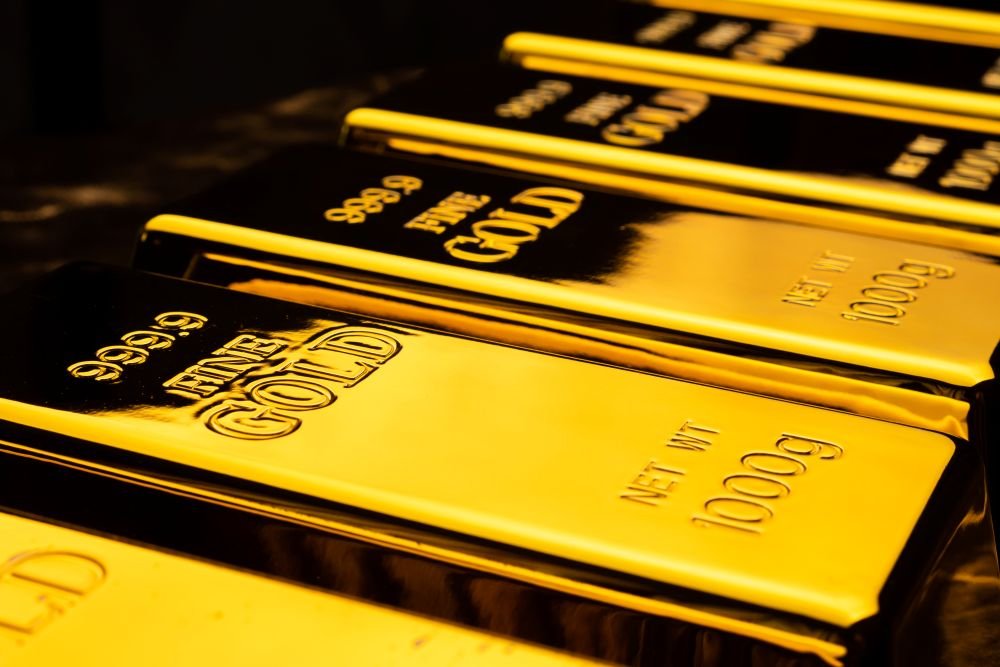
| 1oz Minted Gold Bar | $7,310 AUD | ↔️ Stable Demand |
| US Federal Reserve Rate | 3.50% – 3.75% | ⬆️ Higher for Longer |
Export to Sheets
The Senior Economist’s View: Our senior economic analysts note that while gold hit record peaks earlier this month (briefly crossing $5,500 USD), the “plunge” seen in the last 48 hours is what experts call a market correction.
- The “Hawkish” Fed: The US Federal Reserve has indicated it may cut interest rates fewer times than expected in 2026. Higher interest rates typically make gold (which pays no interest) less attractive compared to bonds.
- Inflation Resilience: Global inflation is proving “sticky,” sitting around 2.7%. This keeps gold relevant as a “debasement hedge”—a way to protect your money when the purchasing power of cash drops.
- Central Bank Buying: Despite the price dip, central banks (led by nations like China and India) are on track to purchase over 800 tonnes of gold this year, providing a “floor” that prevents prices from crashing.
The Explanation: Why This Matters to You
Gold isn’t just for billionaires in suits; it’s a reflection of how much we trust the global economy. When the “gold rate” is high, it usually means people are nervous about inflation, debt, or war.
In Australia, we have a “double-edged sword.” Because gold is priced in US Dollars, a weaker Australian Dollar actually makes our local gold more valuable. Even if the global price dips, the “Aussie” price remains high, benefiting local miners in Western Australia and Queensland, as well as families holding onto heirloom jewellery.
“We are seeing a transition from a ‘panic-buy’ market to a ‘value’ market,” says our senior commodities strategist. “The long-term trend is still bullish, with major institutions like J.P. Morgan still targeting $6,300 USD by the end of the year, but the easy gains of early 2026 have slowed down.”
Engagement: Your Next Steps
If you are looking at the gold market today, here is how to navigate it with dignity and authenticity:
- Avoid the Hype: Don’t let “fear of missing out” (FOMO) drive your decisions. The current dip suggests that patience may be rewarded.
- Think Long-Term: Gold is traditionally a “store of value,” not a “get rich quick” scheme. It’s about protecting what you have for the next generation.
- Verify Your Sources: Whether you are buying a small 1g tablet or a 1kg bar, ensure you are dealing with reputable Australian mints (like the Perth Mint) to ensure purity and ethical sourcing.
References & Sources
- ABC Bullion & Australian Gold Capital: Live Spot Price Feeds, March 19-20, 2026.
- J.P. Morgan Global Research: “Gold Outlook 2026: The Path to $6,300,” February 2026.
- CME FedWatch Tool: Interest Rate Probability Data as of March 20, 2026.
- Reserve Bank of Australia (RBA): Commentary on AUD/USD Exchange Dynamics and Commodity Exports.