






















The New Language of Laughter: Why Bilingual Comedy is the 2026 Stage’s Most Powerful Act
The Linguistic Pivot: Comedy Without Borders
For decades, the “immigrant comedy” trope in Australia relied on caricatured accents and stories of “fitting in.” However, as we move through 2026, the script has flipped. A profound linguistic pivot is underway across the Australian stage, led by a generation of bilingual and trilingual performers who no longer feel the need to translate themselves for a monolingual audience.

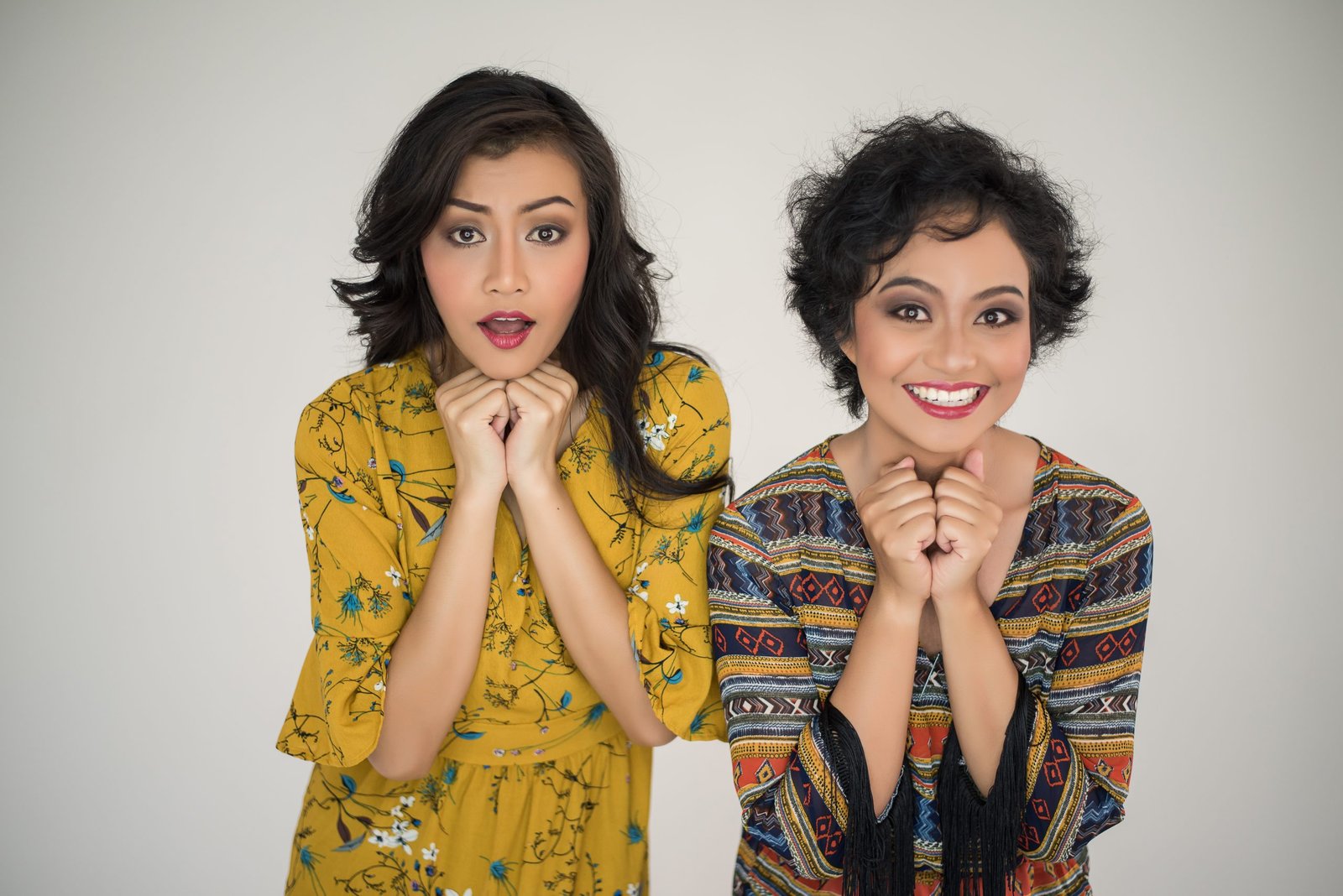
Bilingual comedy—where performers switch seamlessly between English and their heritage languages like Mandarin, Arabic, Punjabi, or Spanish—is no longer a niche “community” event. It has become a mainstream powerhouse. This shift is reflected in the record-breaking attendance at the 2026 Melbourne International Comedy Festival (MICF), which saw a 35% increase in multilingual shows compared to 2024. These performances are not just about the jokes; they are an exercise in “Language as Power,” signaling to the diaspora that their full, complex selves are finally being seen on the national stage.
The Rise of the “Third Space” in Theatre
Beyond the stand-up mic, the theatrical world is undergoing a similar transformation. Major institutions like Creative Australia and the National Institute of Dramatic Art (NIDA) are increasingly funding works that embrace “code-switching” as a high-art form. The 2026 Asia-Pacific Arts Awards recently celebrated several projects that utilized traditional language alongside contemporary English, highlighting how “multilingualism is a creative leadership strength.”
In 2026, “Multilingual Theatre” is being used to create a “Third Space”—a cultural zone where the audience doesn’t necessarily need to understand every word to feel the emotional resonance of the story. According to a 2025/2026 Creative Industries Report, this “Linguistic Authenticity” is driving a new wave of younger, more diverse audiences into theatre stalls. They are coming not to see a “simplified” version of their culture, but to witness the raw, unedited reality of living between two worlds.
Why it Travels: The Viral Power of Shared Identity
The “Shareability” of bilingual comedy is its greatest asset in the 2026 digital landscape. Short-form reels of bilingual sets frequently go viral because they tap into a specific, high-intensity “Inside Joke” that spans the global diaspora. When a comedian switches to Hinglish or Spanglish to deliver a punchline about “Strict Parents” or “Cultural Expectations,” they aren’t just making people laugh; they are creating a digital badge of belonging.
This “Identity Humor” travels because it is deeply relatable and fiercely authentic. In a world of filtered perfection, the messy, code-switching reality of the “New Australian” feels like a breath of fresh air. It reveals a country that is finally comfortable with its own complexity—a nation that understands that belonging isn’t about speaking one language, but about understanding many.
The Economic and Social Impact
Multilingual performance is also an economic driver. The 2026 Festival of Emerging Artists at NIDA showcased several bilingual productions that have already been scouted for international tours in Singapore and London. This “Cultural Export” potential demonstrates that Australia’s superdiversity is a competitive advantage in the global creative economy.
From a social perspective, bilingual comedy acts as a bridge. It allows monolingual Australians to enter the “inner circle” of another culture through the most human medium possible: laughter. By sharing the stage, performers are breaking down the “us versus them” binary and replacing it with a “we” that is plural, loud, and incredibly funny.
The Last Laugh
The bilingual comedy boom of 2026 is a testament to a nation that has stopped asking its citizens to “blend in” and started asking them to “stand out.” Language is no longer a barrier to be overcome; it is a tool of empowerment, a source of pride, and the ultimate punchline.
As we look at the Australian canvas today, it is vibrant with the sounds of a hundred different languages, all finding their voice on the stage. In the end, the most important thing we’ve learned in 2026 is that you don’t need to speak the same language to share the same laugh—but it certainly helps the story travel a whole lot further.
Verified Sources and Links
- Creative Australia: 2026 Asia-Pacific Arts Awards recognize creative leadership and multilingualism. creative.gov.au – 2026 Awards
- NIDA (National Institute of Dramatic Art): 2026 Festival of Emerging Artists – Showcasing Multilingual Talents. nida.edu.au – Festival
- Melbourne International Comedy Festival (MICF): 2026 Program Highlights and Growth in Diverse Shows. comedyfestival.com.au – 2026 Program
- Western Sydney University: Unleashing Creativity: The Economic Power of Diverse Arts (2025/2026). westernsydney.edu.au – Creative Report
- Office for the Arts: New data on the value of Australia’s cultural and creative sector in 2026. arts.gov.au – Creative Sector Value