

































Key Points
- Growing interest in native Australian ingredients is influencing home cooking and the food industry
- Indigenous-led organisations are central to cultivation, supply, and knowledge-sharing
- Some native crops, including Murnong and Kangaroo Grass, are being reintroduced through small-scale agricultural initiatives
- Experts caution that cultural knowledge must be respected and not generalised across Nations
A Shifting Food Landscape
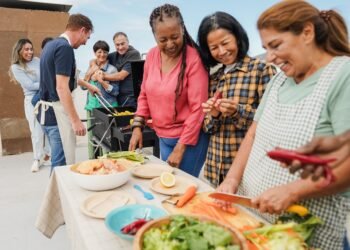
Across Australia, a growing number of home cooks and chefs are incorporating native ingredients such as murnong (yam daisy), wattleseed, and saltbush into everyday meals. While still a niche segment of the market, interest in these ingredients has expanded beyond restaurants and specialty suppliers in recent years.

This shift reflects broader conversations about sustainability, local food systems, and the recognition of Aboriginal and Torres Strait Islander knowledge. Researchers and Indigenous organisations note that many of these foods have long histories of use, grounded in deep connections to Country and seasonal land management practices.
Reintroducing Traditional Ingredients
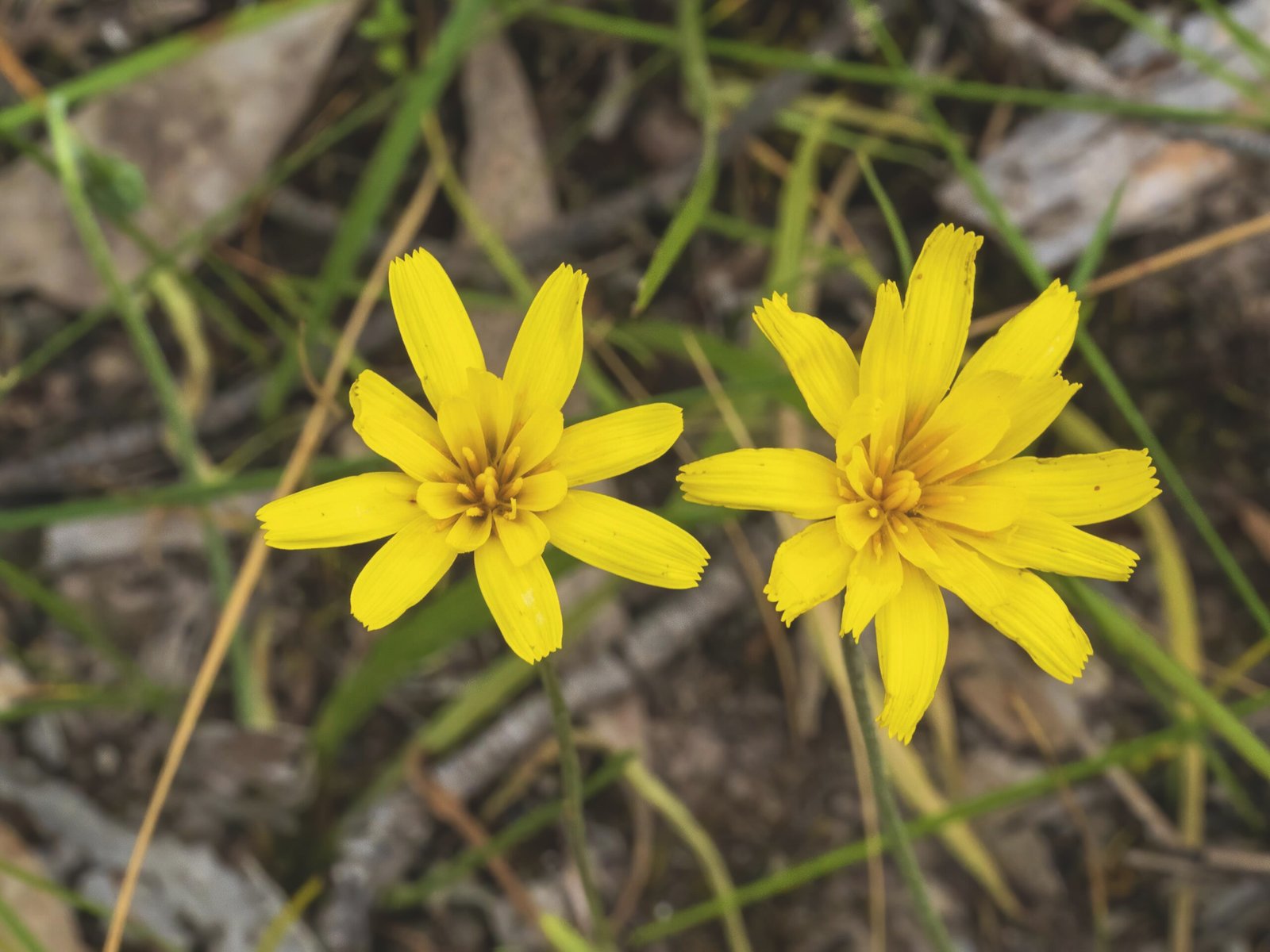
Murnong (Yam Daisy)
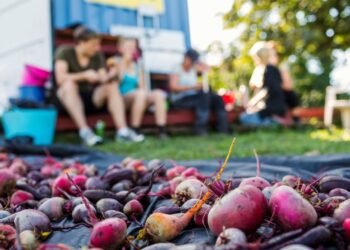
Murnong, a small tuber native to parts of south-eastern Australia, was historically an important food source for some Aboriginal groups, particularly in what is now Victoria. Early colonial accounts describe its abundance prior to the environmental impacts of grazing and land clearing.
Today, organisations such as the Wurundjeri Woi-wurrung Cultural Heritage Aboriginal Corporation are involved in efforts to reintroduce murnong through cultural education and small-scale cultivation. Its flavour is often compared to mildly sweet root vegetables, and it is occasionally used in contemporary cooking.
Kangaroo Grass (Themeda triandra)
Kangaroo Grass is a perennial native grass found across much of Australia. In recent years, it has attracted interest for its potential as a low-input grain crop, with research exploring its use in flour production.
While still in early stages of commercial development, trials supported by agricultural and Indigenous-led initiatives suggest it may offer environmental benefits, including resilience in low-nutrient soils. Its culinary applications remain limited but are expanding through experimentation in baking and small-batch production.
The Role of Indigenous-Led Enterprises
A number of Indigenous-owned and operated businesses are contributing to the growing visibility of native foods, focusing on ethical sourcing and cultural integrity.
- Black Duck Foods, co-founded by Bruce Pascoe, works on reviving traditional food systems and native grain production.
- Indigiearth, led by Sharon Winsor, supplies native ingredients and promotes their use through education and hospitality.
- The National Indigenous Australians Agency and other bodies have also supported broader conversations around Indigenous business development and land management.
Advocates emphasise that Indigenous communities should retain control over how traditional knowledge is shared and commercialised, particularly as demand grows.
Bringing Native Ingredients into the Home Kitchen
For many consumers, saltbush is among the more accessible entry points.
Saltbush (Atriplex nummularia)
Saltbush is a hardy shrub found in arid regions of Australia. Its leaves have a naturally salty flavour and are sometimes used as a seasoning or garnish.
Home cooks experimenting with saltbush have incorporated it into:
- seasoning blends for roasted meats
- garnishes for vegetables
- infused oils and rubs
Suppliers recommend sourcing products from Indigenous-owned or operated businesses where possible, as part of supporting ethical supply chains.
Balancing Interest with Responsibility
Food researchers and cultural practitioners caution that while interest in native ingredients is increasing, it is important to avoid treating Aboriginal food knowledge as a single, unified system.
Australia is home to hundreds of distinct Nations, each with its own practices, languages, and relationships to land. As a result, knowledge about native foods is often localised and context-specific.
There are also ongoing discussions about intellectual property, cultural attribution, and fair economic participation as native ingredients enter wider markets.
Looking Ahead
The growing presence of native ingredients in Australian kitchens reflects both culinary curiosity and broader social awareness. While still emerging, this space is shaped by collaboration between Indigenous communities, researchers, and the food industry.
Observers suggest the long-term development of this sector will depend on maintaining cultural integrity, supporting Indigenous leadership, and ensuring that commercial growth does not come at the expense of traditional knowledge systems.
Sources & Attribution
- AgriFutures Australia – Research on native grains and agricultural potential
- University of Melbourne – Studies on soil health and perennial agriculture
- Wurundjeri Woi-wurrung Cultural Heritage Aboriginal Corporation – Cultural and educational materials
- Industry reports and Indigenous-led enterprise publications (2025–2026)