
































Starting today, March 20, 2026, approximately five million Australians will see a permanent increase in their social security payments. This scheduled “indexation” boost is designed to help the most vulnerable members of our community—including retirees, job seekers, and carers—keep up with the rising cost of living.

The adjustment occurs twice a year (March and September) and is calculated based on changes to the Consumer Price Index (CPI) and the Pensioner and Beneficiary Living Cost Index (PBLCI).
The Significance: A Buffer Against Inflation
For many Australians, today’s increase provides a much-needed financial buffer. In the current economic climate, where grocery, energy, and rent prices remain a primary concern, these adjustments ensure that the “social floor” rises in tandem with actual household expenses.
“This is about dignity and the Australian value of a fair go,” notes The Australian Canvas editorial team. “When we support our seniors and those looking for work, we strengthen the social fabric of the entire nation.”
The Evidence: What Are the New Rates?
The boost applies to a wide range of Services Australia payments. While the exact increase depends on individual circumstances, the maximum rates have been adjusted as follows:
1. Age Pension, Disability Support Pension, and Carer Payment
- Single People: The maximum fortnightly rate (including supplements) increases by $28.10, bringing the total payment to $1,144.40.
- Couples (each): The rate increases by $21.20, bringing the total payment for a couple to $1,725.20 per fortnight.
2. JobSeeker and ABSTUDY (over 22)
- Single People (no children): The base rate increases by $13.50, bringing the fortnightly payment to approximately $776.30.
3. Rent Assistance
Families and individuals receiving Commonwealth Rent Assistance will also see a bump in their maximum thresholds, helping to offset the continued pressure in the private rental market.
4. Updated Asset Test Rules (The “Pensioner Threshold”)
As of the new rules announced this week, the amount of assets you can own while still qualifying for a part-pension has been adjusted upward.
- Homeowners (Single): Can now own up to approximately $314,000 in assets (excluding their home) and still receive the full pension.
- Homeowners (Couples): The threshold for a full pension has risen to approximately $470,000.
- Those with assets above these amounts may still qualify for a part-pension until they reach the “taper” cutoff, which has also been extended to account for inflation.
The Engagement: What You Need to Do
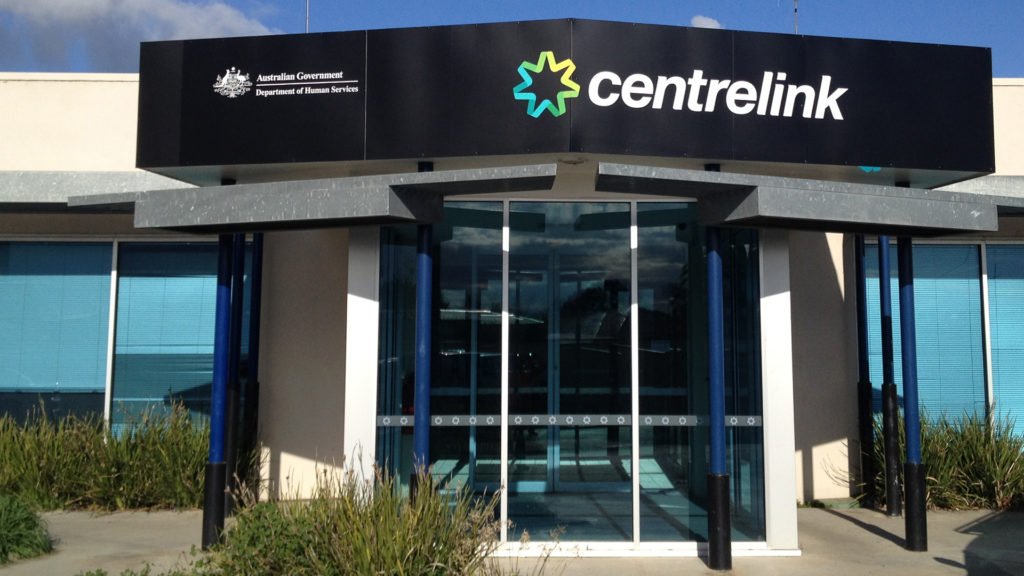
The most important takeaway for recipients is that these increases are automatic. * No Action Required: You do not need to call Services Australia or visit a Centrelink office to receive the boost.
- Payment Timing: The new rates take effect today, March 20. However, because payments are made in arrears, your first check reflecting the full increase will likely arrive in the next payment cycle (late March or early April).
- Check Your App: You can view your updated “Payment and Service Finder” details or your next scheduled payment amount via the myGov website or the Express Plus Centrelink mobile app.
Fostering Unity Through Support
This indexation reflects a commitment to ensuring no Australian is left behind as the economy evolves. By providing these essential updates in plain English, we aim to reduce the “administrative anxiety” often associated with social services and ensure every eligible citizen feels empowered and informed.
References & Sources
- Services Australia: Indexation of Child Support and Social Security Payments, March 2026 Official Schedule.
- Yahoo Finance Australia: “Centrelink cash boost for 5 million Aussies receiving Age Pension, JobSeeker and more,” published March 19, 2026.
- 7News Australia: “Millions of Australians to receive Services Australia payment increase,” published March 20, 2026.
- The Motley Fool Australia: “How much can you own in retirement and still get a pension under new rules?” published March 14, 2026.
- Australian Bureau of Statistics (ABS): Consumer Price Index and PBLCI Data, December Quarter 2025.