






























Prime Minister Anthony Albanese has officially appointed Anthea Harris as the National Fuel Supply Taskforce Coordinator, a newly created role within the Department of the Prime Minister and Cabinet. The appointment, announced yesterday, March 19, comes as regional Australia grapples with a deepening fuel crisis triggered by escalating conflict in the Middle East and the closure of the Strait of Hormuz.+1

The taskforce is charged with securing Australia’s liquid fuel supply chain and ensuring that regional communities—many of which have seen petrol stations run dry in recent days—are prioritised in distribution efforts.
The Significance: A Strategic Guardrail
Anthea Harris enters the role with significant pedigree, having previously served as the CEO of both the Australian Energy Regulator and the Energy Security Board. Her mission is to transition the government’s response from reactive to “over-prepared.”
“I want to reassure Australians—Australia is well prepared,” the Prime Minister stated. “Our fuel supply is currently secure, but I want us to be over-prepared.”
The crisis has hit regional areas hardest, where towns like Robinvale and Swan Hill have reported total fuel outages or strict rationing. For these communities, fuel is not a luxury but a critical input for agriculture, freight, and daily survival in areas without public transport.+1
The Evidence: Immediate Actions and Responsibilities
The government has confirmed several immediate measures to shield the economy from global volatility:
- Reserve Release: The Commonwealth has authorised the release of up to 20% of national diesel and fuel reserves to alleviate localised shortages.
- Domestic Retention: National fuel standards have been temporarily amended to keep Australian-made fuels onshore that would otherwise be exported.
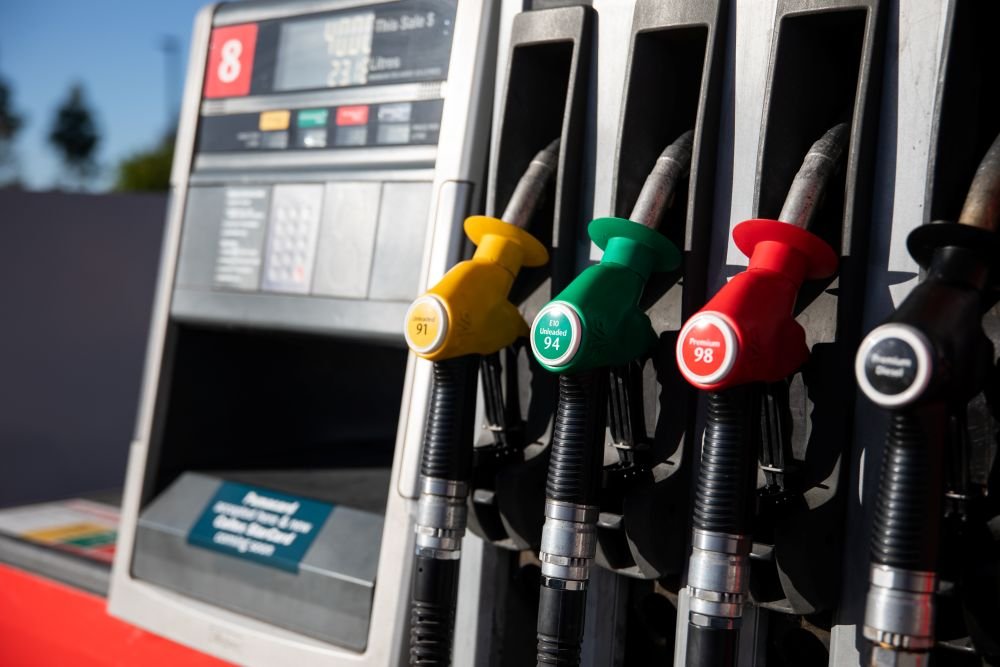
- Price Oversight: A crackdown on “price gouging” at the bowser is underway, with the ACCC monitoring retailers who may be unfairly capitalising on the crisis.
- Taskforce Mandate: Ms. Harris will lead coordination between federal and state governments, providing consistent updates on supply outlooks and acting as a single convening point for forward planning.
The Economic Context: Senior economists note that while Australia is an energy exporter, our reliance on imported refined fuels makes us a “price-taker.” With diesel prices in some regional areas surging past $2.60 a litre, the taskforce’s ability to streamline distribution is seen as vital to preventing a wider food supply chain disruption.+1
Engagement: Voices from the Ground
Industry bodies have welcomed the move but stressed the urgency. NSW Farmers President Xavier Martin noted that “tractors and trucks run on diesel, not petrol,” and called for a guarantee that the independent distribution network used by primary producers remains a priority.+1
The Maritime Union of Australia (MUA) has also used the moment to advocate for greater “fuel sovereignty,” arguing that the current crisis exposes the vulnerability of relying on foreign-owned tankers and contested shipping lanes.
Facing Challenges the “Australian Way”
The appointment of Anthea Harris marks a more centralised, hands-on approach from Canberra. By bringing a seasoned energy regulator into the heart of the Prime Minister’s department, the government aims to stabilise the national psyche and ensure that the “fruit bowls of Australia” and our regional hubs remain connected and operational.
References & Sources
- Prime Minister of Australia: Media Release: Appointment of Fuel Supply Taskforce Coordinator, 19 March 2026.
- Australian National Imams Council (ANIC) / Community Reports: Field observations from regional Victoria and NSW.
- Grain Central / Big Rigs: Taskforce appointed as ACCC probes regional diesel supply, 19 March 2026.
- Maritime Union of Australia: Media Release: Australia’s fuel insecurity exposed, 3 March 2026.
- NSW Farmers Association: Statement on National Cabinet, 19 March 2026.