






























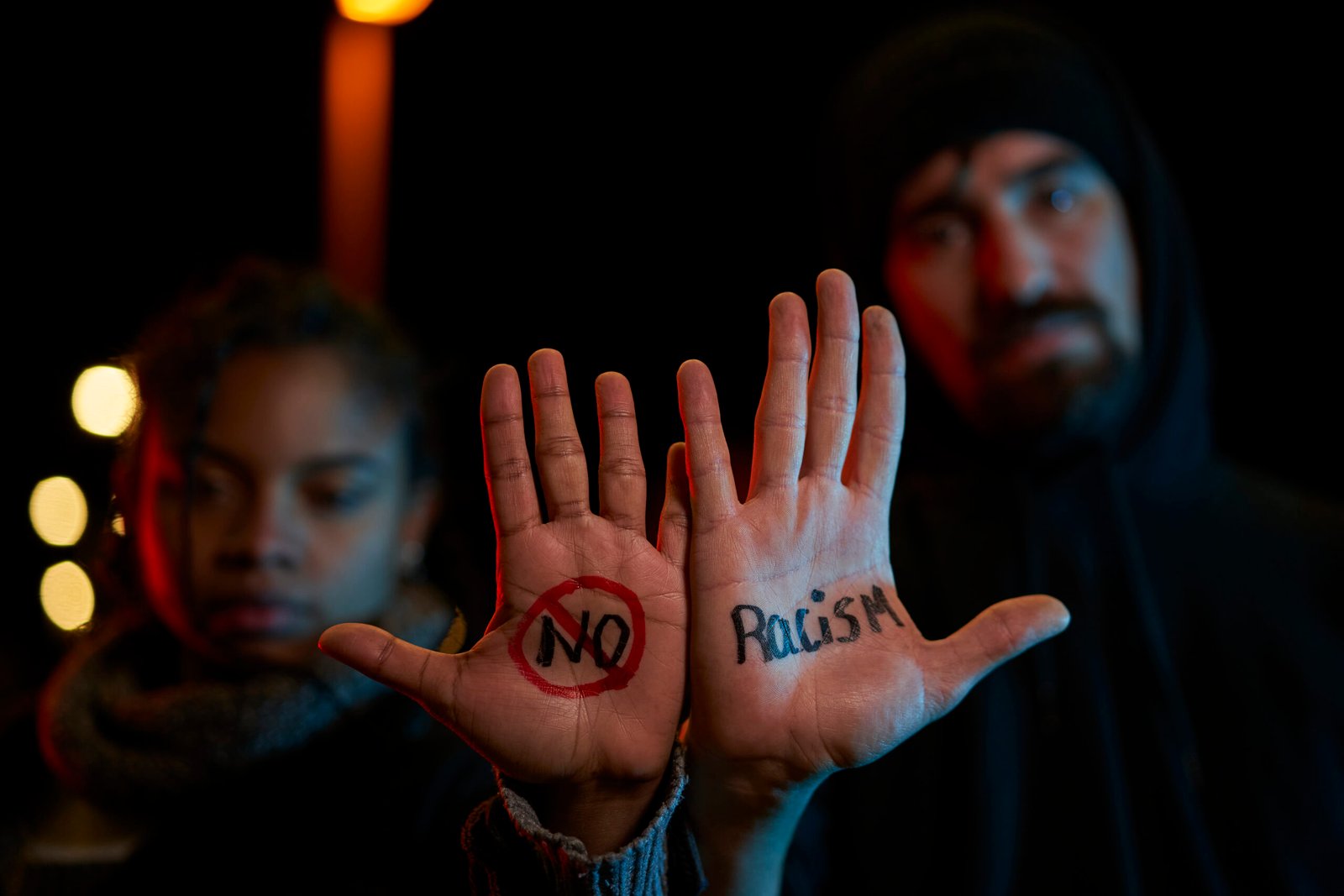
As the Human Rights Commission warns of record-breaking Islamophobia and Antisemitism, we look at how local councils and community dinners are helping us find our way back to each other. Following the International Day to Combat Islamophobia, the Australian Human Rights Commission is calling for a National Anti-Racism Framework. Learn about the rise in reported hate and the community efforts, like council-hosted Iftars, working to restore multicultural harmony in 2026.

It is March 18, 2026, and the air in Australia feels heavy with a difficult truth. While we often celebrate our nation as a successful multicultural society, recent reports show that the “Shared Canvas” of our community is being marked by an increase in hate, fear, and division.
Last week, on March 15, the world observed the International Day to Combat Islamophobia. Here in Australia, the day was not just a moment of reflection but a loud call for help. According to the Australian Human Rights Commission (AHRC), there is an “urgent need” for the government to step in and protect our Muslim brothers and sisters from a rising tide of vilification and violence.
At The Australian Canvas, we believe that when one part of our community suffers, we all suffer. Our mission is to tell stories that build bridges, and today, that means looking honestly at the hate that is trying to pull us apart and the incredible people who are trying to stitch us back together.
The Hard Facts: What the Registers Tell Us
To understand the size of the problem, we must look at the data. In Australia, two major organizations track these incidents: the Islamophobia Register Australia and the Executive Council of Australian Jewry (ECAJ), which manages the Antisemitism Register.
As reported by SBS News, both organizations have seen a massive spike in reported incidents since late 2023 and throughout 2025.
- Islamophobia: According to the Islamophobia Register, reports of anti-Muslim hate have increased by more than 10 times compared to previous years. This includes physical attacks, verbal abuse in the street, and a huge amount of “cyber-bullying” or hate speech online.
- Antisemitism: As reported by the ECAJ, Jewish Australians are also facing record levels of hate, with incidents of harassment and graffiti reaching levels not seen in decades.
For our CALD (Culturally and Linguistically Diverse) communities, these aren’t just statistics. They are stories of mothers afraid to wear their hijabs to the supermarket, children being bullied at school, and families feeling like they no longer belong in the country they call home. When we see hate rising against one group, it often flows toward others. This is why the fight against Islamophobia is also a fight for every migrant’s right to feel safe.
The Call for Action: A National Plan
According to Girish Ramachandran, the Race Discrimination Commissioner at the AHRC, “thoughts and prayers” are no longer enough. The Commission is calling on the Australian Government to officially launch and fund a National Anti-Racism Framework.
What is a “National Anti-Racism Framework”? In plain English, this is a long-term plan that would:
- Better Laws: Create stronger protections so that people who spread hate or commit violence are held accountable.
- Public Education: Launch campaigns that teach people about the benefits of multiculturalism and how to spot “fake news” that causes fear.
- Data Collection: Make it easier for everyone—especially people who don’t speak English well—to report hate when it happens.
- Support for Victims: Ensure that if someone is attacked or harassed, they have access to counseling and legal help in their own language.
As reported by the AHRC, Commissioner Ramachandran believes this framework is the “missing piece” in Australia’s social safety net. Without a national plan, the burden of fighting hate falls on the victims themselves, which is simply not fair.
The Council Solution: Healing Over a Shared Meal
While the government works on big laws, local communities are finding their own ways to fight Islamophobia. One of the most beautiful examples of this is happening right now during Ramadan 2026.
According to a report by SBS Language (Hindi), several local councils across Sydney and Melbourne have started hosting Community Iftar Dinners. For those who may not know, Iftar is the meal that Muslims eat to “break their fast” after sunset during the holy month of Ramadan.
By moving these dinners from private homes into public parks and community centers, councils are inviting everyone to the table.
- Breaking Down Barriers: When a non-Muslim neighbor sits down to share a meal with a Muslim family, “the stranger” becomes “the friend.” It is very hard to hate someone once you have shared bread and conversation with them.
- Teaching Culture: These dinners allow councils to explain why Ramadan is important—it is a time of charity, reflection, and family.
- Multicultural Harmony: In areas like Parramatta and Hume, these Iftars have become some of the biggest events of the year. They aren’t just for Muslims; they are for everyone who believes in a peaceful Australia.
The “Shared Table” vs. The “Digital Wall”
A major challenge we face in 2026 is that while we are eating together in person, we are often fighting each other online. As reported by advocates in the SBS podcast Anti-Muslim Hate is Rising, social media algorithms often show us things that make us angry or afraid.
This creates a “Digital Wall” between communities. At The Australian Canvas, we encourage our readers to be “Digital Neighbors.” This means:
- Check the Source: Before you share a post that makes a certain group look bad, ask yourself: “Is this from a real news site like the ABC or SBS, or is it just someone trying to cause trouble?”
- Speak Up: If you see someone being bullied online, don’t just ignore it. A kind comment can make a huge difference to someone who feels alone.
- Report It: Use the Islamophobia Register or the Antisemitism Register. These groups use your reports to show the government that they need to take action.
The Role of First Nations Respect
At the heart of our core values is First Nations Respect. It is important to remember that for thousands of years, the First Peoples of this land practiced deep respect for different groups moving across the country.
As we combat Islamophobia in 2026, we can learn from the oldest living culture on Earth. The concept of “Dadirri” (deep, respectful listening) is something we can all use. Instead of shouting or judging, we can choose to listen to the stories of our neighbors. When we acknowledge that we are all living on stolen land, it puts our own differences into perspective. It reminds us that we are all guests here, and we have a responsibility to be good guests to one another.
An Optimistic Vision for 2026
Despite the rising numbers of hate reports, there is reason for hope. According to the Australian Human Rights Commission, more Australians than ever before are standing up as “allies.” We are seeing:
- Interfaith Marches: Jewish, Christian, Muslim, and Buddhist leaders walking together to call for peace.
- Business Leadership: Companies adopting “zero tolerance” policies for racism in the workplace.
- Youth Action: Young Australians from CALD backgrounds using platforms like TikTok to share their culture and debunk myths with humor and heart.
The “Australian Canvas” is not a finished painting. Every day, we add a new stroke of color. Yes, there are dark spots right now, but they do not have to define the whole picture.
What You Can Do Today
If you are part of a CALD community and you want to help make Australia safer, here are three simple steps:
- Join a Community Event: Look for a Harmony Week event or a local council Iftar. Bring a friend who has never been to one before.
- Report Any Incident: If you experience or see hate, tell someone. You can report to the police, but you should also report to the Islamophobia Register Australia (https://www.google.com/search?q=islamophobia.com.au) or the AHRC. Your voice helps change the law.
- Start a Conversation: Ask your neighbor about their culture or their holiday. A simple, “Tell me about Ramadan,” or “How do you celebrate your heritage?” can break a cycle of fear.
The Final Word
Australia is a “Shared Table.” In 2026, that table is being shaken by global events and local fears. But as Commissioner Ramachandran and the advocates at SBS have shown us, we have the tools to steady it.
We have the laws (if we strengthen them), we have the data (if we report it), and most importantly, we have each other. By choosing Inclusivity over isolation, we ensure that the story of Australia remains one of pride, belonging, and peace.
Authentic Sources & Reports (March 18, 2026):
- Australian Human Rights Commission (AHRC): Statement on the International Day to Combat Islamophobia (March 15, 2026).
- SBS News: “Anti-Muslim hate has been rising: Advocates want to know how the government will respond” (March 17, 2026).
- SBS Language (Hindi): “How council-hosted Iftar dinners in Australia are helping tackle Islamophobia” (March 18, 2026).
- Islamophobia Register Australia: Quarterly Report on Incident Trends (January–March 2026).
- Executive Council of Australian Jewry (ECAJ): 2025-2026 Annual Report on Antisemitism in Australia.
- Race Discrimination Commissioner: Address to the National Press Club on the Anti-Racism Framework (March 2026).